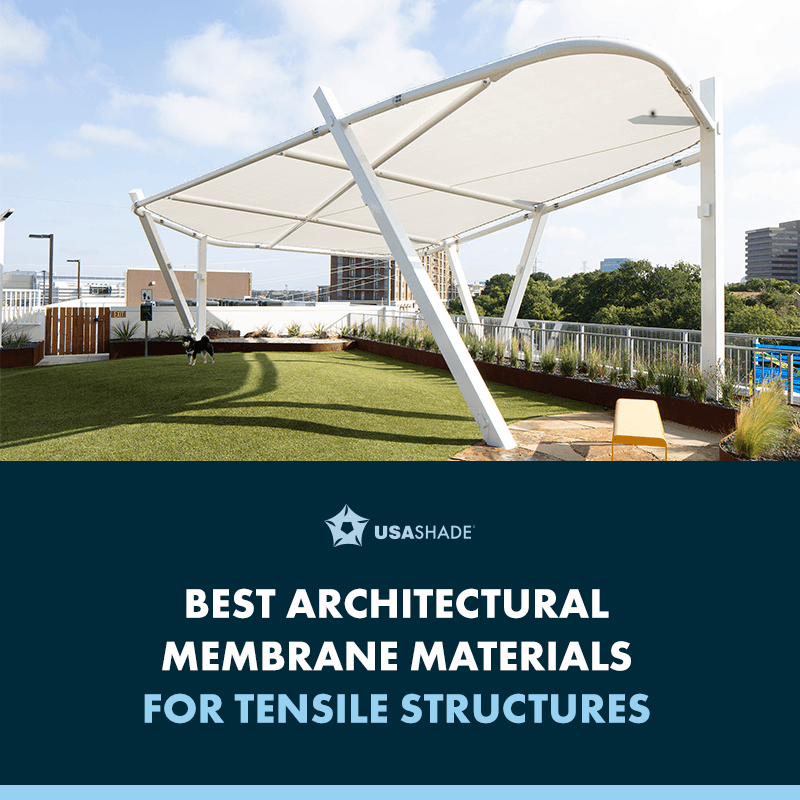


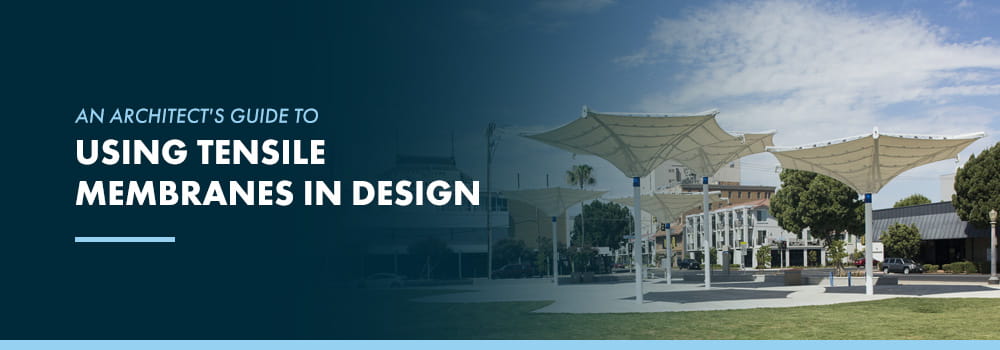
Tensile membranes are taut architectural fabrics stretched across supporting frameworks. Operating purely under tension, these structures create dramatic spans that flood interiors with diffused natural light. In addition to its architectural strengths, tensile fabric offers exceptional energy efficiency.
From amphitheaters with natural topography to plazas that redefine public gatherings, tensile structures deliver sculptural presence and technical performance. They offer several unique advantages for architects, including rapid construction timelines, minimal weight and structural possibilities that rigid materials cannot achieve.
This guide explores how tensile membranes integrate into contemporary architecture.
What Makes Tensile Membranes Transformative?
Tensile membranes signify a fundamental shift in how buildings shape interior and exterior environments. Distributing weight through prestressed fabrics creates structures that would otherwise require heavy steel or concrete.
Innovative Materials
PTFE, PVC and ETFE are high-performance architectural fabrics, commonly used in membrane structures and building facades. While all three offer exceptional weather resistance and durability, they differ in a few noteworthy ways.
- Polytetrafluoroethylene: This woven fiberglass membrane is the premium standard for architectural fabric. With high tensile strength, PTFE withstands extreme temperatures over decades of use. PTFE is inherently fire-resistant and provides soft, diffused natural daylight, reducing artificial lighting costs.
- Polyvinyl chloride: PVC-coated polyester is the most widely adopted fabric for tension structures. This flexible, tear-resistant and relatively lightweight material offers lower fabrication and repair costs than PTFE and ETFE. It also offers wider aesthetic variety, with multiple colors and opacities available.
- Ethylene tetrafluoroethylene: This fluoropolymer film replaces glass in skylights and atriums. At an extremely low weight with superior impact strength, ETFE facilitates high light transmission. Often used in multilayered cushions, ETFE provides significant thermal insulation and energy savings.
PVC and PTFE fabrics offer excellent water resistance qualities. Recent research into smart materials and adaptive fabrics suggests that future membrane structures may integrate responsive technologies to enhance environmental control. Adaptive and sustainable materials can significantly reduce energy and maintenance costs over time.
The Power of Tension
Membrane structures rely entirely on the equilibrium of tension, distributing loads through flexible, prestressed fabrics rather than rigid materials.
Through architectural geometry, this surface stress lets you create massive, column-free spaces with minimal material investment. The result turns simple structural logic into stunning architectural forms.
Advanced 3D modeling and analysis processes allow architects to explore complex geometries that support structural integrity. These digital tools reveal how tension naturally resolves into elegant, efficient shapes.
Advantages in Architectural Design
Industry analysts predict the architectural fabrics market will reach $6.8 billion by 2034, driven by unique technical and economic advantages. Here’s what sets tensile membranes apart in architectural design.
- Lightweight and economical: Membrane structures require significantly less material than conventional building systems, reducing material costs and foundation requirements.
- Aesthetic appeal and flexibility: Tensile systems enable organic, sculptural geometries that rigid materials cannot replicate.
- Energy efficiency: Translucent membranes diffuse daylight and reduce solar heat gain, substantially lowering artificial lighting and cooling demands.
- Site and function adaptability: These structures accommodate irregular topographies, complex programs and diverse climatic zones.
- Fast construction: Prefabricated membrane systems install quickly on-site, reducing project timelines and labor costs.
Can Tensile Structures Work for Modern Architecture?
Membrane structures are a perfect fit with modern architectural principles. Architects can span large areas with minimal material, using tension and lightweight membranes to create fluid, sculptural forms that maximize natural light and honor authentic material use.
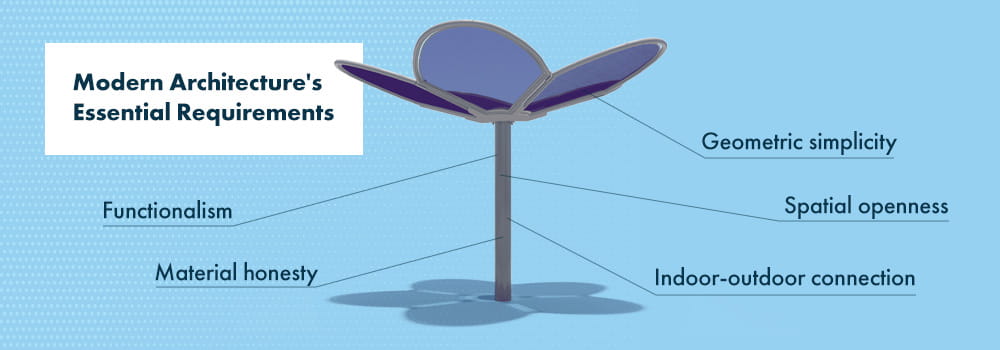
Modern Architecture’s Essential Requirements
Modern architecture is a design philosophy rooted in purpose, clarity and the principle that form follows function. It rejects ornamentation in favor of simplicity, spatial efficiency and authenticity.
- Functionalism: Favors layouts driven by practical, human-centered use patterns.
- Material honesty: Celebrates the structural capabilities of steel, concrete, glass and advanced fabrics, using these materials based on their natural properties.
- Geometric simplicity: Prioritizes clean lines, rectangular forms and asymmetrical compositions with spatial clarity.
- Spatial openness: Uses open floor plans to maximize light-filled, fluid environments.
- Indoor-outdoor connection: Leverages glazing systems and overhangs to blur the boundaries between built and natural environments.
Tensile membranes are highly adaptable in modern architectural projects. They’re ideal for dramatic, sculptural forms, creating memorable experiences for your business.
Examples of Tensile Structures in Modern Masterpieces
Today, membrane structures create remarkable civic architecture. Tensile projects span athletic facilities, university campuses, hotels and recreational landscapes, highlighting the signature versatility of membrane structures.
For example, the Asia Times Square project employs custom fabric sails to establish a vibrant hub for public gatherings and commercial events, demonstrating how membrane structures function effectively in urban contexts.
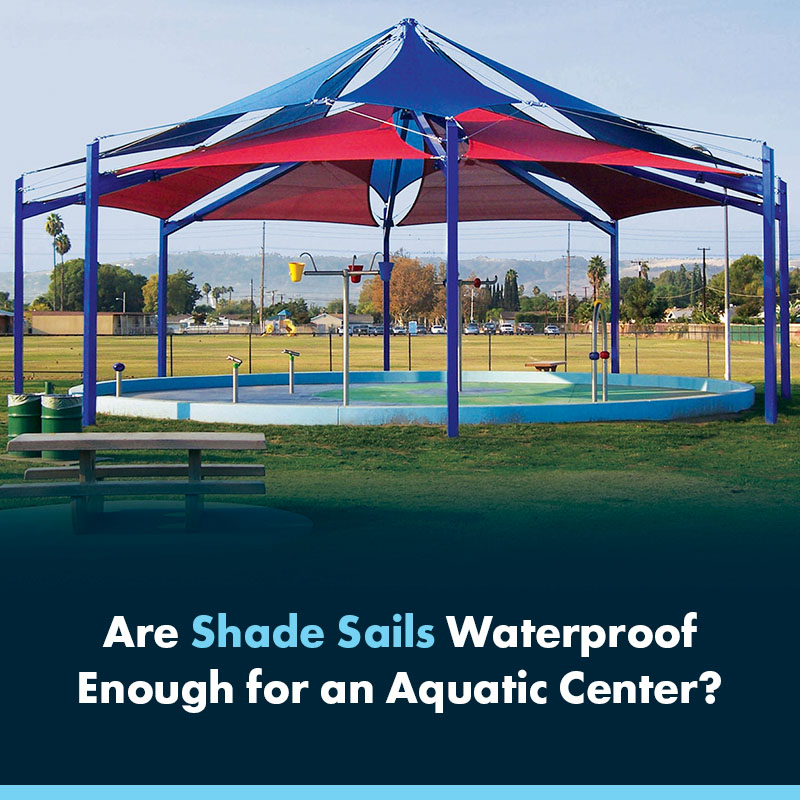
Similarly, the Mercado Park installation features distinctive tensile butterfly- and flower-shaped forms. In addition to shading kids from the sun, these colorful shapes make this community park a landmark destination.
How Do Tensile Structures Integrate With Landscape Design?
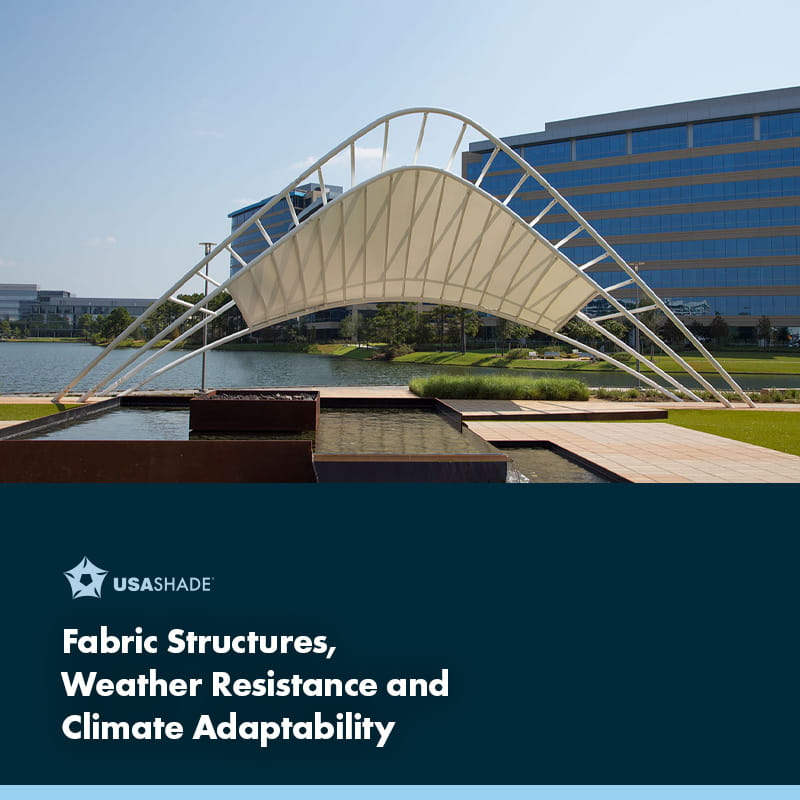
Tensile membranes integrate seamlessly with landscape design, offering fluid, organic forms that connect built and natural environments. These lightweight canopies provide shade, weather protection and striking focal points without overwhelming green spaces. For instance, minimal foundations preserve site drainage and root systems, and translucent fabrics maintain visual connections with sky and vegetation.
Enhancing Public and Private Landscapes
Membrane structures blur the boundaries between architecture and landscape, creating cohesive indoor-outdoor spaces. For example, shade structures can add functionality to parks, plazas and pedestrian walkways, transforming them into must-see destinations. Covered amphitheaters and event spaces can also extend usage throughout the year.
These installations integrate aesthetically with natural forms and contours, complementing their surroundings. Specifically, textiles can enhance public spaces through placemaking strategies. Placemaking focuses on a location’s physical, cultural and social identities in an effort to strengthen community identity and user experience.
Collaborating with landscape architects is also essential for successful integration. By discussing the stages of a landscape architecture project, architects can better understand how membrane structures can maximize site-responsive outcomes.
Environmental and Sustainable Integration
Membrane structures minimize construction footprints due to their minimal weight and rapid installation. Some designs support water harvesting systems, while translucent fabrics moderate energy consumption beneath canopies. Permeable fabrics maintain visual and environmental connections to surrounding nature.
Research confirms that thoughtful membrane design supports sustainability across multiple performance metrics, from embodied energy to operational efficiency.
Principles for successful membrane integration include:
- Harmony with existing topography and vegetation.
- Balance between function and beauty in transitional spaces.
- Material palette considerations that complement natural elements, including colors, forms, textures and light interaction.
Considerations for Architects
Here are a few factors architects must explore before using tensile structures.
- Digital conceptualization: Digital tools are a priceless resource for architects. They let you experiment with tension-based geometries, creating forms that balance aesthetics with structural efficiency.
- Engineering collaboration: USA SHADE’s Architectural Studio offers comprehensive support throughout design development. Receive technical expertise in membrane engineering, material specification and construction methodology.
- Fabrication and installation: Familiarity with the complete fabrication process from design through installation helps architects coordinate project stages with broader construction schedules.
- Long-term sustainability: Membrane materials offer excellent life cycle performance, with thermal properties that reduce energy consumption over decades of service. They even offer recyclability potential at specialist facilities.
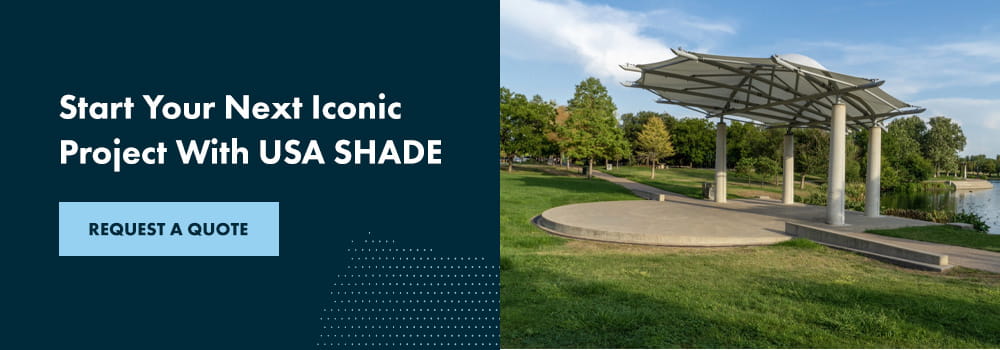
Start Your Next Iconic Project With USA SHADE
The most memorable architectural pieces balance functionality with creative ambition. Membrane structures deliver both, offering your business lightweight construction, accelerated project timelines and sculptural forms that elevate any site.
USA SHADE’s Architectural Studio collaborates with architects from initial concept through installation. Enjoy peace of mind with comprehensive support, including 3D modeling, engineered drawings, material specifications and fabrication expertise. Whether your project demands a large-scale custom canopy or a series of shade structures, USA SHADE has the technical expertise to bring your vision to life.
Contact us today to discuss your project or explore our Architectural Studio to see membrane structures in action.