
Skip to content

Ways to Enhance Your Sports Facility

Home | Blog, Athletics | Ways to Enhance Your Sports Facility

Learn how to enhance your sports facility.

Enhancing your sports facility can significantly boost membership and revenue. You can elevate your facility with upgrades such as shade structures, multi-functional spaces, a new layout, versatile flooring and high-quality equipment. High-quality shade structures are one of the most beneficial additions because they provide aesthetic appeal and comfort on hot days.

Advantages of Updating Sports Facilities

Renovating or adding to your sports facility offers the following advantages:

  • More returning visitors: Enhancing your facility can attract new visitors and keep your current members returning. Upgrades can improve your facility’s comfort and appearance, bringing more teams, leagues and spectators to you.
  • Longer usable time: Some upgrades can make your outdoor areas usable and more comfortable during high heat or heavy rain. Increased shade and protective structures may encourage athletes and teams to use your outdoor spaces for more hours throughout the day.
  • Increased profit: Upgrading your facility to increase use time and serve visitors year-round can significantly boost your membership renewals and revenue.
  • Improved safety: Regular improvements to your sports facility may help keep everyone safe and healthy. You might add shade structures to offer more sun protection, renovate a gymnasium to create separate entrances or update the structures for increased durability.

How to Improve Your Sports Facility for Optimal Functionality

A sports facility must accommodate various recreational activities while providing ample space for sitting, socializing and dining. Consider how athletes, teams and spectators will function in each area. Here are some ways you can enhance your facility to cater to the full user experience:

1. Create Multi-Functional Spaces

Accommodating different groups, teams and interests allows you to serve more members and increase profits. The following upgrades can transform your facility into a multi-functional space:

  • Versatile flooring: Synthetic flooring, vulcanized rubber or modular snap-together tiles can accommodate various sports, whether you host pickleball tournaments, volleyball matches or basketball games. Synthetic flooring offers excellent shock absorption, while modular tiles allow you to change court layouts as needed. Vulcanized rubber is the most durable option and can handle non-sports uses such as tables and chairs.
  • Retractable baskets and nets: Retractable equipment makes it easy to transform a basketball court into a community event space. You can also swap different equipment, accommodating a back-to-back volleyball match and basketball game quickly.
  • Portable equipment: Rolling bleachers, freestanding goals and height-adjustable nets also allow you to transform spaces and accommodate different sporting needs.
  • Retractable dividers: Separate a full-size court into smaller sections for intramural leagues and practicing teams.
  • Increased equipment storage space: Add adequate storage space to your facility’s multi-use areas so you can keep plenty of equipment on premises. That way, visitors have what they need during your busiest hours.

2. Accommodate Different Demographics

The following factors can impact what individuals and teams expect from your facility:

  • Ages: What age range do most of your visitors belong to? This can impact the type of equipment you need. If you cater to a wide range of age groups, you should be able to scale net heights, court dimensions and goal sizes to accommodate different needs.
  • Experience levels: Do you want to cater more to recreational leagues, professional teams or both? This can impact the type of spaces and equipment you need.
  • Location and nearby amenities: Differentiating your offerings and activities can set you apart from similar facilities. For example, if your facility is near a popular racket sports court, you could offer diverse options such as an indoor rock-climbing gym or specialized track and field areas.

Consider why members return to particular facilities. What programs, sports events, equipment, classes and other offerings do they enjoy and use? Adapt your plans for indoor and outdoor spaces accordingly.
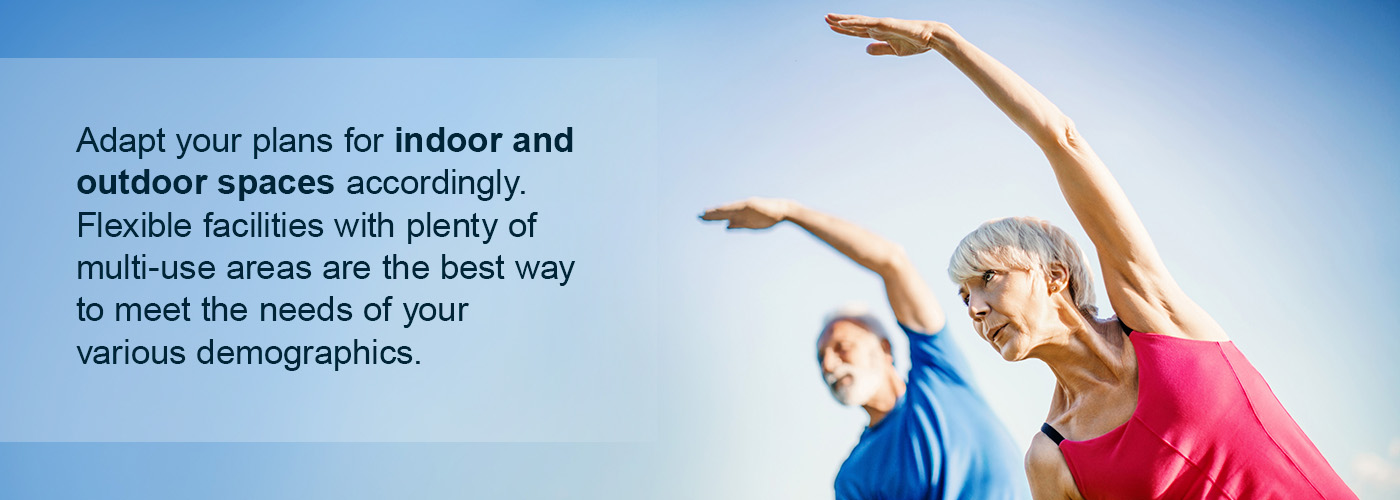
Adapt indoor and outdoor spaces to be multi-use areas.

3. Design Facilities for Year-Round Use

Make your facility usable through every season. A well-designed, large-volume facility enables teams and individuals to continue using your spaces regardless of the weather.

Spaces should be temperature-regulated and well-lit in every season, so consider where you might need more utilities such as ventilation, lighting and fans. Adequate coverage protects outdoor spaces, such as ball courts, seating areas and pools, from the sun and rain.

4. Foster a Welcoming, Accessible Atmosphere

Ensure visitors with various needs can enjoy your spaces by incorporating the following elements:

  • Ramps and elevators: Install ramps and elevators if you have multiple levels or floors. This enables individuals who use wheelchairs to access your facilities and seating areas easier.
  • Adaptive sports equipment: Adaptive sports equipment, such as athletic wheelchairs and adaptive exercise machines, accommodates individuals with various needs. These additions can help your facility stand out from nearby sports centers.
  • Sensory spaces: Enhance your sports facility with quiet zones or sensory rooms, giving visitors or spectators with autism a comforting area.
  • Clear signage and communication: Signage with large print, pictograms and braille helps visitors easily find your facility’s main entrance and navigate each area.
  • Adequate parking: Provide plenty of parking near your main entrance so each visitor has a smooth experience.

Staff friendliness also helps foster a sense of community to new and returning members. Staff should be quick to greet and assist guests. Keep staff informed about the facilities and current offerings to help create an atmosphere where guests are encouraged to get involved.

5. Enhance Your Facility’s Visual Appeal

Use these tips to elevate your facility’s appearance:

  • Design with brand colors and elements: Incorporate your facility’s brand colors, logos and aesthetic themes into your interior and exterior designs. Whether you repaint your walls, update your signage or add custom logos to your flooring, you can give your building a more professional look.
  • Invest in easy-to-clean materials and equipment: High-quality, durable materials and finishes make it easier to maintain a clean environment, contributing to your facility’s professional appearance and overall visitor experience.
  • Optimize your facility’s layout: Design your facility’s layout for efficient circulation. Grouping related activity areas together helps reduce foot traffic for greater ease and safety. Wide, unobstructed hallways also contribute to an efficient layout.

6. Install Shade Structures

Adding shade structures to your sports facility is one of the best ways to enhance its appearance, comfort and functionality. With high-quality, customizable shade structures, you can:

  • Cover outdoor activity areas: Adequate coverage allows visitors to continue using areas in the rain and hot summer afternoons. You can use shade structures to cover areas for activities such as swimming, tennis, soccer and pickleball.
  • Improve comfort: Proper shade helps your members avoid sunburn and heat-related illness. It also makes areas more comfortable for members, sports teams and spectators.
  • Enhance indoor and outdoor aesthetics: Customize designs to complement your company’s brand colors and create a vibrant space.
  • Boost revenue: Enabling members to use outdoor areas no matter what the weather brings can significantly boost revenue.

What Outdoor Sport Areas Need Shade?

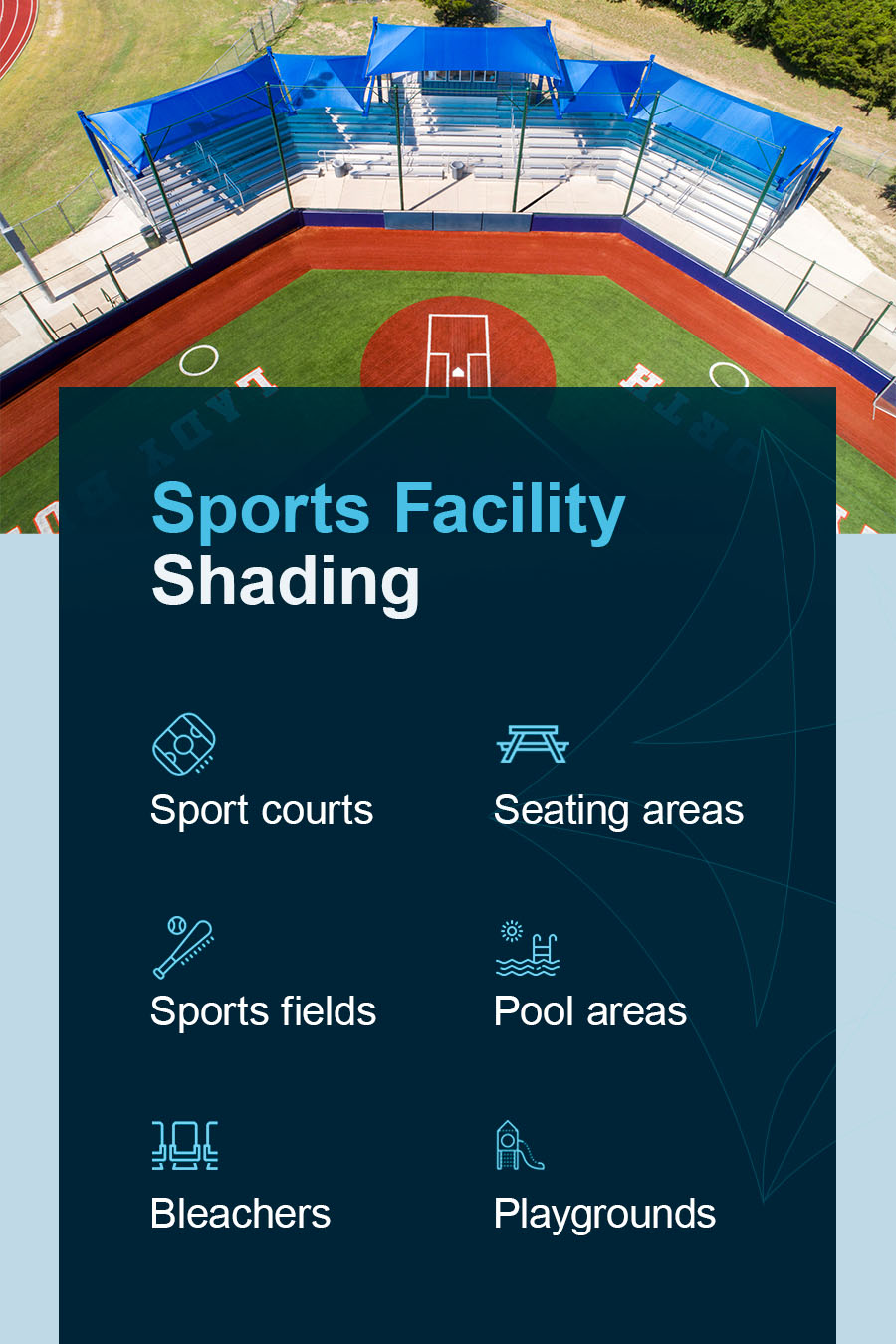
The following areas need shade to protect visitors and staff from the sun and extend the use of outdoor facilities throughout the year:

Sports Courts and Fields

The following outdoor courts and fields can benefit from shaded structures:

  • Basketball
  • Volleyball
  • Tennis
  • Pickleball
  • Track and field
  • Soccer
  • Baseball
  • Softball

You can opt for large shade structures to cover an entire field or smaller structures for individual courts. Installing high-quality structures enables teams to use your courts and fields during hot afternoon hours without overheating. Adequate shade also helps athletes focus on the game because it blocks the sun’s glare.

You can put shading over sports courts, seating areas, sports fields, and more.

Dugouts and Team Benches

Add shade structures to dugouts and team benches so athletes have a space to cool down between the action. From little-league tournaments to recreational leagues, sports teams can use your facility longer when they have shaded areas to rest on the sidelines.

Bleachers and Seating Areas

Covering bleachers keeps spectators comfortable during games, encouraging them to attend more games at your facility. Whether you host professional teams or local leagues, shade can significantly enhance visitor experiences as they cheer on their favorite athletes.

You can also add shade to seating areas, such as dining spaces, snack bars and terraces. The more comfortable these spaces are, the more likely guests are to use them. Use bold colors to attract more visitors to your concession areas.

Pool Areas

Installing shade structures in your pool area allows visitors to relax without overheating or getting sunburnt. You can place shade structures over swimming areas and lounge spaces. Shade also keeps outdoor furniture and the ground cool to help individuals avoid surface burns. Helping visitors stay cool encourages them to stay at the pool longer and use it more often.

Playgrounds

Shade structures are especially important if your facility features playgrounds. With adequate shade, children can avoid sunburn and stay cool while they play. Shade also keeps play equipment surfaces cool to the touch, preventing potential burns.

Types of Shade Structures for Sports Facilities

USA SHADE offers a wide range of shade structures in various shapes and sizes:

  • Squares and rectangles: Square and rectangle shade structures are perfect for covering defined areas such as single courts, equipment zones or rows of bleachers where you need straightforward overhead coverage.
  • Multi-sided: Multi-sided structures are ideal for large, complex or irregularly shaped spaces on your facility grounds.
  • Sails: Shade sails are excellent options for sports fields and bleachers. Their dynamic designs create flexible, artistic shade patterns.
  • Cantilevers: A cantilever features one or two support columns on one side, offering the most unobstructed space and clear views beneath the shaded area. Cantilevers are another great option for spectator areas such as bleachers.
  • Single post: You can use single-post shade structures for smaller, isolated areas such as benches, entrance points or poolside tables.
  • Custom: Opt for a custom shade structure if you have unique architectural integration needs, highly complex or irregular spaces, or specific aesthetic goals that standard designs cannot meet.

Other Sports Facility Improvement Strategies

In addition to enhancing your outdoor facilities with quality shade structures, you can use other improvement strategies to create a better environment for members and guests.

1. Foster a Positive Community Culture

Training knowledgeable and friendly staff is the first step in getting new members involved around the facility. However, it takes a firm commitment from the whole community to create a positive atmosphere. Personal trainers and coaches should be prepared to help members enjoy their training, matches and overall time at the sports facility. Educate everyone about ways to cultivate team morale and cohesion and how to build self-esteem, self-worth and confidence from individual accomplishments.

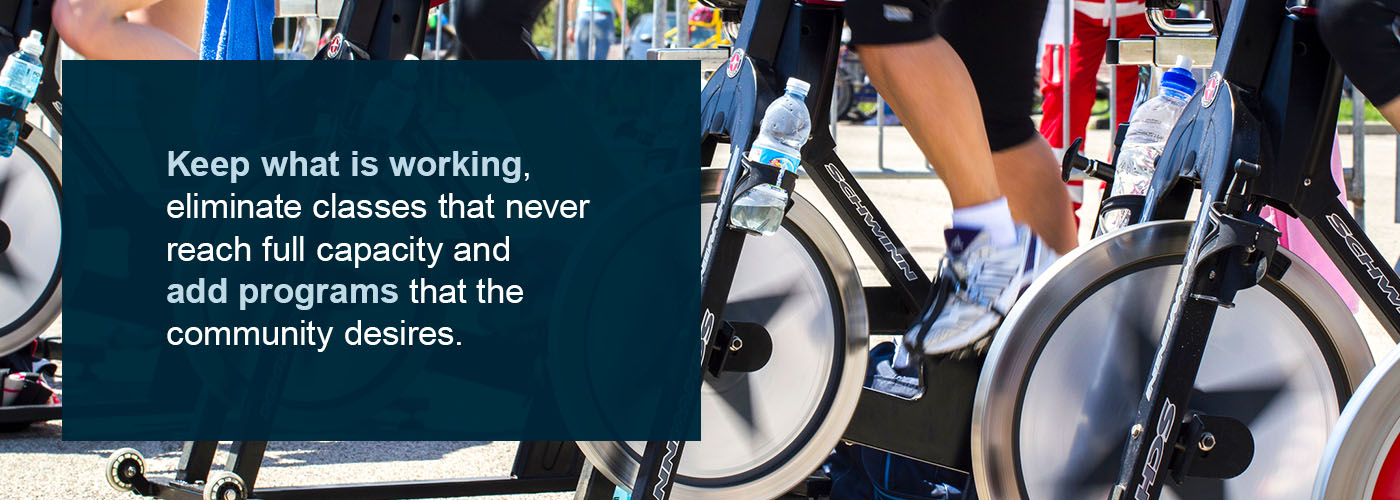
Eliminate classes that never reach full capacity and add programs that the community desires.

2. Adjust Programs to Attract More Guests

Identify which programs, equipment or offerings you can remove or adjust. Keep what is working, eliminate classes that never reach full capacity and add programs that the community desires.

Consider programs, classes and other offerings that will attract more guests to the facility, such as:

  • Family fun nights with activities like art projects and a bounce house
  • Before and after school programs to keep kids occupied while parents are at work
  • Summer programs to help further physical and mental growth in kids
  • Programs to promote safety, including first aid and CPR classes
  • Swimming lessons for both children and adults
  • Meeting spaces for the community to discuss important issues

3. Incorporate Advanced Technology

Facility apps keep visitors informed of any closures and updates across the entire facility. There may be daily fluctuations that impact some but not all of your facility’s offerings. A mobile app for members lets them know which programs are canceled or areas are closed, so your guests can adapt their plans accordingly.

Virtual equipment allows you to train members in new and valuable ways. A golf or ski simulator offers guests the opportunity to try an activity that your facilities may not be able to support in reality. Meanwhile, video analysis capabilities can increase the value of training programs, helping members visualize areas of improvement and showing athlete progression over time.

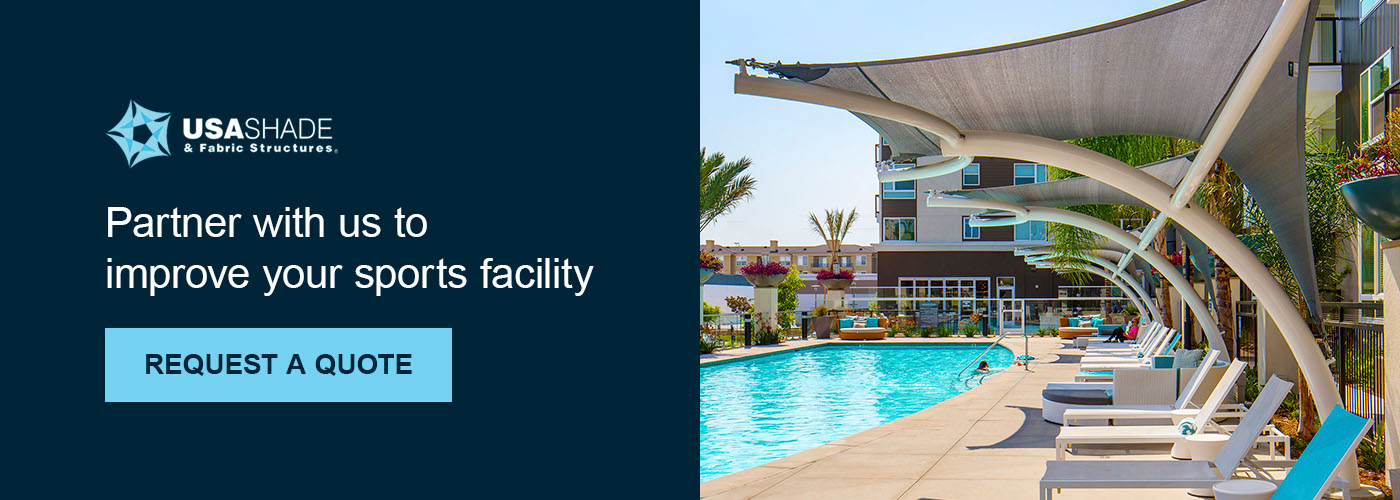
Partner With USA SHADE to Improve Your Sports Facility

Shade enhances the value and utility of outdoor areas, allowing visitors to enjoy more experiences at your sports facility year-round. USA SHADE and Fabric Structures is the proven leader in fabric structure design and technology. We provide custom shade structure products for sports facilities designed to last.

Browse our past athletic projects for innovative ideas to improve your sports facility with shade structures today.

Or, check out our Product Catalog to explore all your options!

Frequently Asked Questions

Below are some common questions about shade structures in sports facilities:

Shade structures enhance athletic facility appeal by:

  • Improving fan or spectator experiences: Whether your facility hosts major sporting events or local community sports, shade structures make sitting in the stands more comfortable. Fans appreciate the protection from the sun’s glare, UV rays and harsh heat. The more comfortable spectators are, the more likely they are to remain engaged and spend time at your facility.
  • Adding modern aesthetics: Thoughtfully designed shade structures add architectural beauty to open fields. You can opt for customized structures that match your brand colors or complement your facility’s look. Modern cantilevers and shade sails can transform a basic field or court into a premium venue.
  • Increasing event hosting and revenue: Sports teams, leagues and tournament organizers often favor venues with adequate player and spectator shade. Covering your bleachers, concourses, fields and courts can make your facility more appealing and boost your revenue.

Shade structures improve athletic facility performance by:

  • Mitigating or preventing health risks: Shaded areas give players space to cool down, which helps reduce the risk of heat exhaustion, heatstroke and sudden cardiac events.
  • Reducing sun glare: Shade structures limit sun glare, which allows athletes to maintain a clear line of sight. This advantage leads to better on-field focus and performance.
  • Expanding playable hours: Proper shading cools fields and courts so teams can continue using them during the hottest hours of the day. Without shade structures, certain areas may be too hot to use during the afternoon hours.

Shade structures improve training facility conditions by:

  • Protecting training equipment: Shade structures shield athletic gear, training equipment and synthetic court surfaces from UV rays and harsh weather. Adequate shade prevents deterioration, color fading and cracking.
  • Enhancing focus: Training sessions and camps often require athletes to practice outdoors for prolonged periods. Shaded areas enable athletes to focus on their drills without worrying about fatigue, overheating or sunburn.
  • Promoting regular use: When athletes have a comfortable, shaded area to train and recover between drills, they have the motivation to train longer and more frequently.

Get the Product Catalog

Request a quote today and improve your sports facility.