

You’ve carefully analyzed the sun path, planned the site and studied the weather conditions to determine the optimal shade structure for your project, thoughtfully evaluating each choice to ensure it complements your design.
With these considerations in mind, it’s time to explore the shade structures that can transform your outdoor space. Shade sails and gazebos are two of the most sought-after options for enhancing comfort and usability. These structures let people enjoy the sunshine while remaining protected from the heat, making them particularly valuable in tropical regions, where high temperatures can pose severe health risks such as heat exhaustion or heatstroke.
While shade sails and gazebos offer similarly durable, high-performance protection, your final choice should reflect your specific needs and intended use. By weighing the unique benefits of each, you can make an informed decision and create an inviting outdoor environment tailored to your project’s goals.
What Is a Shade Sail?
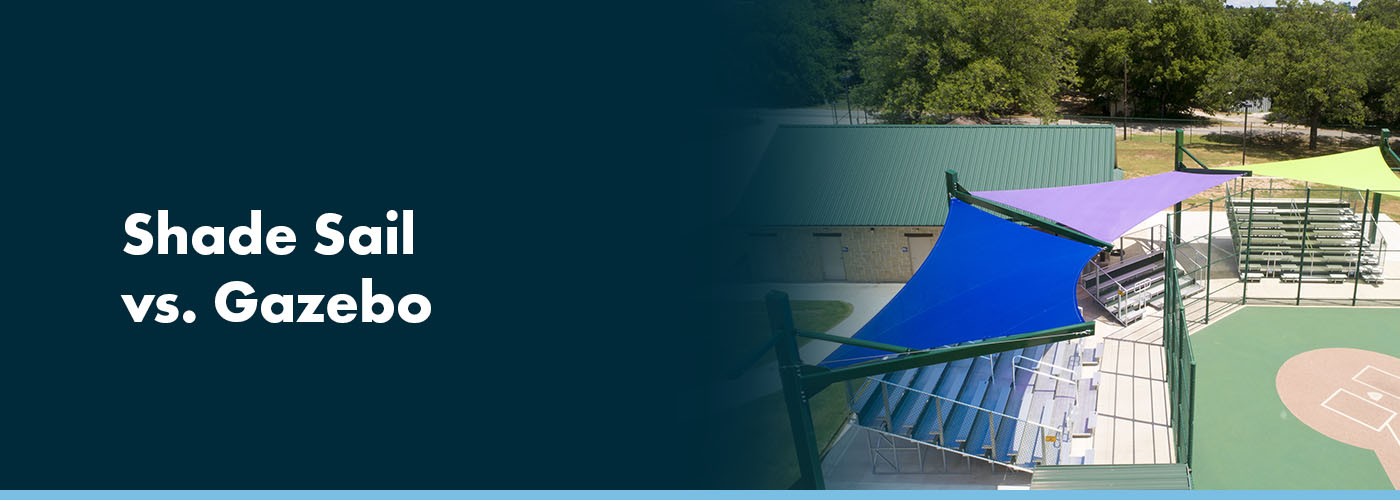
Shade sails are structures made to protect people from direct sunlight. They consist of fabrics anchored in steel structures, often with customizable designs. You can adjust the shade sails as needed by creating overlapping fabric designs or arranging steel columns in varying heights.
Some fabrics are waterproof and can withstand high winds. They also vary in colors, features and quality. CFor instance, USA SHADE’s Shadesure™ high-density polyethylene fabric provides up to 97% ultraviolet protection, 95% shade and about 60% to 70% water runoff. Our fabrics can also withstand wind loads of at least 90 mph, while steel structures can withstand up to 150 mph.
What Is a Gazebo?
A gazebo is a sturdier, more permanent alternative to a shade sail, offering protection from rain, snow and direct sunlight. Materials like stone or wood provide additional permanence and rigidity, and you can even add built-in seats for extra comfort. However, you must be confident about your gazebo placement before beginning construction.
Unlike shade sails, which are relatively simple to disassemble and reassemble, moving a gazebo typically requires demolishing it and reconstructing it in a new location. You shouldn’t add a gazebo to your space without considering its scale and proportion in relation to existing structures. Choose materials that harmonize with your surroundings and complement the landscape. Shade sails and gazebos for shade are free-standing structures, but a gazebo’s solidity can seem awkward or out of place if you don’t give these details thoughtful attention.
Side-by-Side Feature Comparison
Aside from aesthetic appeal, consider the utility of shade sails and gazebos to make a more informed decision.
| Shade Sail | Gazebo | |
|---|---|---|
| Level of protection | Protects people from the sun, rain and high winds, depending on the materials | Protects people from the sun, rain, snow and high winds, depending on the materials |
| Structural flexibility | Accommodates custom designs and steel structures while allowing for easy disassembly | Rigid and permanent with limited shaping options |
| Cost-effectiveness | Can be more affordable because it requires fewer construction materials | Can be pricier depending on the structure and features |
| Durability | Fabrics and steel structures can be durable and withstand varying weather conditions | Materials like wood, metal and stone make the structure durable |
| Style adaptability | Customizable to your design preferences using different fabrics and steel technologies | Typically come with limited designs and rely on the material you choose |
Shade sails and gazebos can be low-maintenance and long-lasting. For instance, USA SHADE’s HDPE fabrics have a 10-year limited manufacturer’s warranty and can last up to 12 years when properly maintained. Fabrics with UV stabilizers also prevent material breakdown caused by the sun’s rays. You can easily clean your shade sail or gazebo with a hose or pressure washer.
Their features even help your firm meet relevant building codes. For instance, in California, shade structures in public schools must be permanent and come with rigid, noncombustible frames. USA SHADE’s products easily comply with these requirements.
Wooden gazebos may need additional fire treatment. For instance, in designated Fire Hazard Severity Zones, the California Building Code requires miscellaneous structures located 3 to 50 feet from a building within the lot — such as gazebos — to consist of noncombustible materials.
Best Ways to Use Shade Sails and Gazebos
Are you still unsure about whether to incorporate shade sails or gazebos into your design? Consider how each might fit into your plans.
Shade Sails
Using shade sails makes sense if your firm is designing features like these.
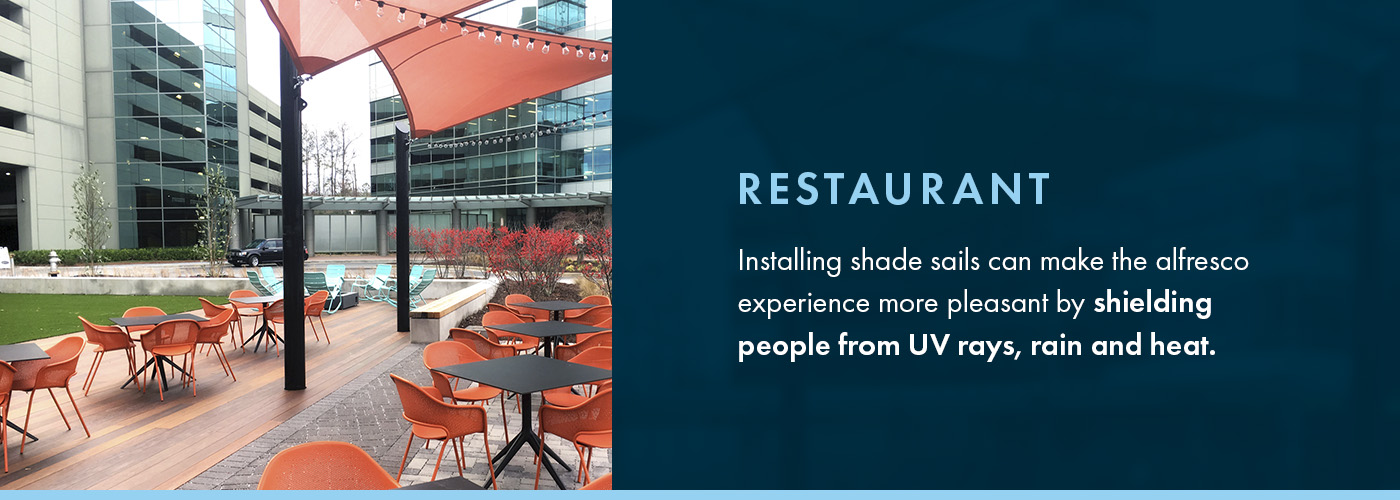
- Restaurant: Restaurants often have patio areas where customers can enjoy outdoor dining. Installing shade sails can make the alfresco experience more pleasant by shielding people from UV rays, rain and heat.
- School: Heat exhaustion is a particular risk for young children on school playgrounds due to the combination of high temperatures and strenuous physical activity. Shade sails on school playgrounds protect kids from the heat, which can become more dangerous when children are sweaty and tired.
- Sports field: Shade sails on bleachers and rest areas keep fans and athletes comfortable throughout the game.
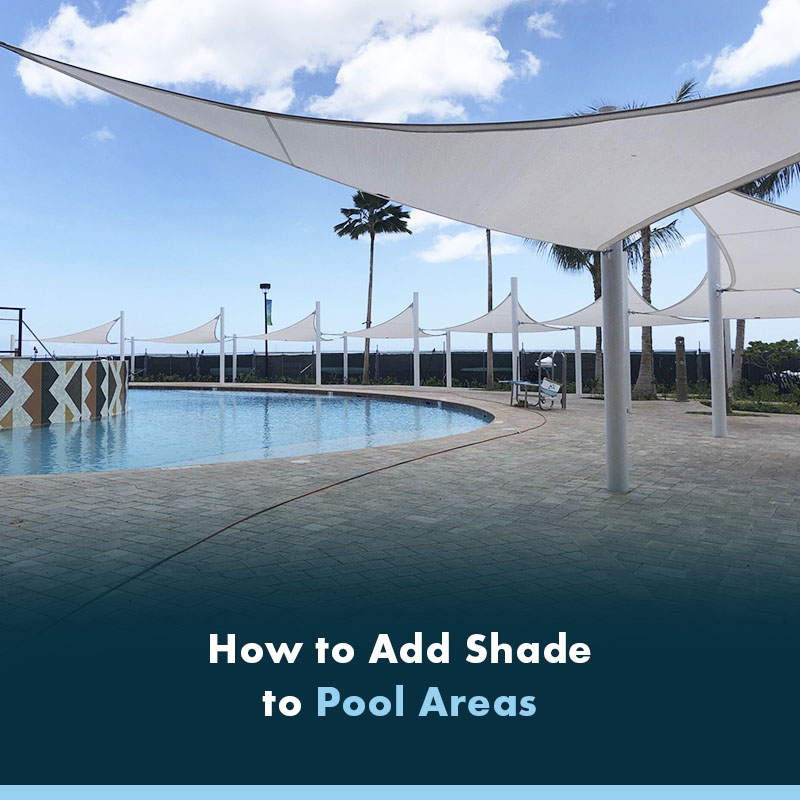
- Commercial pool: Shade sails make commercial pools feel more luxurious while protecting people from sunburn.
- Parking structure: Imagine returning to your car after leaving it parked for hours under the summer sun. When you open the door, you immediately feel a wave of heat and a seat that seems to sizzle beneath you. Shade sails on parking areas keep cars at more tolerable temperatures while protecting them from UV rays, rain and other weather elements.
Gazebos
Gazebos’ unique features make them ideal for the following project types.
- Resorts: Gazebos around scenic viewing spots, such as lakes or mountains, let people enjoy the scenery comfortably. With built-in seating, people can enjoy their meal while soaking in beautiful views.
- Wellness locations: Spas and yoga studios benefit from gazebos if they have outdoor spaces surrounded by nature. Connecting with nature while practicing mindfulness enhances the positive impact of wellness activities.
- Event venues: Gazebos work well for weddings, birthday parties and casual gatherings. They are easy to decorate and adapt to different preferences.
How to Choose Between Shade Sails and Gazebos
Consider the following criteria to decide which option is a better investment.
- Design: Your design can be the most significant factor. Shade sails provide more customization and can adapt to your site’s conditions. However, gazebos can also complement their surroundings depending on the construction material you use.
- Weather conditions: Shade sails are an excellent choice in areas with milder year-round weather. Gazebos may make more sense for sites in colder climates with harsh winters.
- Allowable budget: Gazebo construction can be more expensive due to the materials and labor involved. Meanwhile, shade sails can be cost-effective without sacrificing durability and longevity.
- Project type: The intended use also influences your choice. For instance, you likely wouldn’t build a gazebo around a soccer field, but you may install shade sails to cover the bleachers. Certain use cases also support both. For instance, you may construct gazebos around a pool patio and install a shade sail over the pool.
Frequently Asked Questions
Looking for quick answers? Explore our FAQ section for valuable information.
Can I Install a Shade Sail on a Gazebo?
Technically, shade sails and gazebos are different structures. However, you can combine them in a single location, depending on your design preferences. You can also consider square and rectangular shade sails, which resemble gazebos due to their shape. Better yet, you can create designs tailored to your specific needs.
Are Shade Sails Better for Small Spaces?
Shade sails can be a good solution for small spaces, since they are easily customizable. You can determine which steel structures to use and how many, and the fabrics that go with them. Gazebos can take up more space, especially if they include seating areas. They are also more permanent, making it harder to adjust if needed.
Do Shade Sails Provide Enough Rain Protection?
Waterproof shade sails can provide sufficient rain protection. For instance, USA SHADE offers waterproof fabrics. Self-cleaning and fire-resistant features can be helpful during the rainy season, as you won’t need to disassemble the fabrics to maintain their longevity and attractive appearance.
Get Custom Shade Sails From USA SHADE
USA SHADE has provided shade solutions for schools, parks, churches and shopping areas for over three decades. As a proven leader in fabric structure design and technology, we can help you get the custom solution you need.
We understand the need to balance aesthetically pleasing solutions with excellent functionality. Our product features align with your goals, providing optimal performance that meets relevant design standards. If you’re ready to get started, request a quote today.