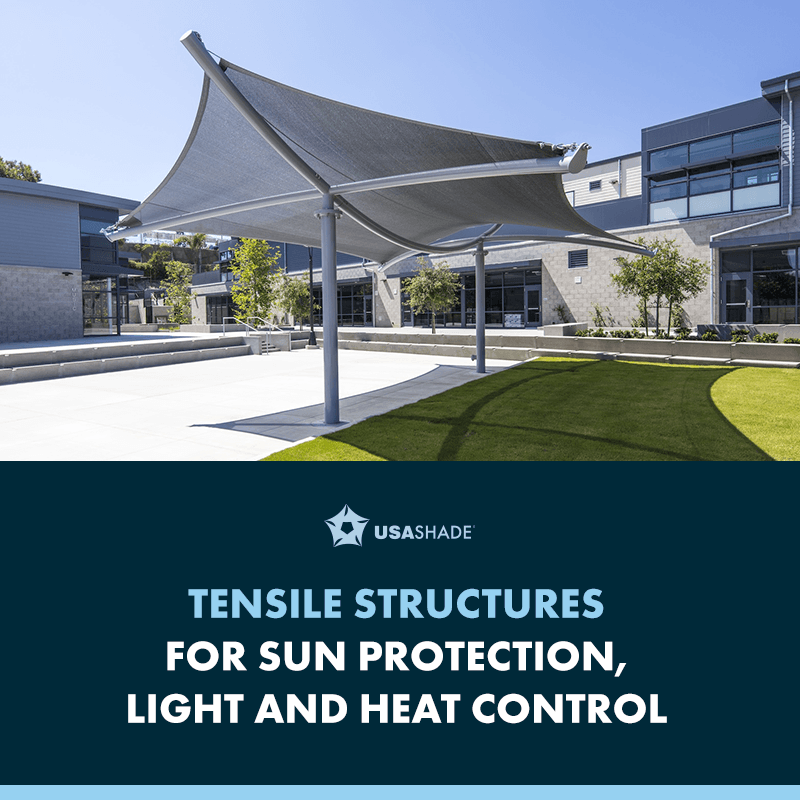


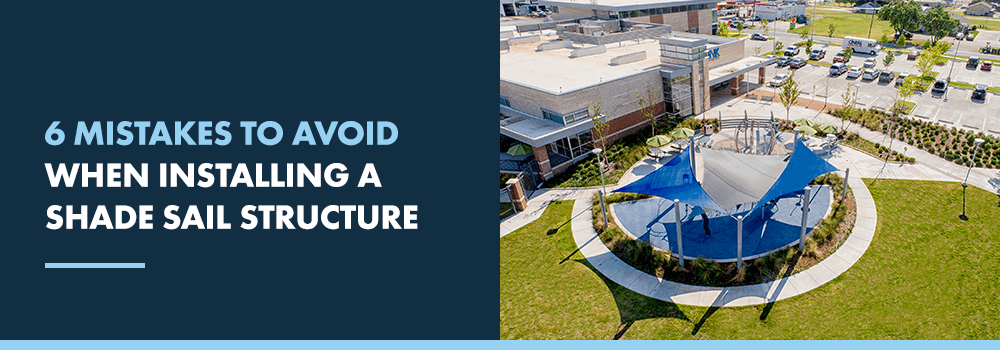
Though shade sail installation may initially seem straightforward, it’s a technical process that demands careful engineering, site planning, environmental awareness and long‑term performance considerations.
Incorrectly installed shade structures often result in poor coverage, premature wear, structural issues or costly repairs. For schools, parks, corporate campuses and public gathering spaces, these six mistakes can affect long-term functionality and results.
1. Ignoring Site-Specific Wind Load and Engineering Requirements
Commercial shade structures must perform reliably in real-world environmental conditions. Wind loads can vary significantly depending on geography, surrounding buildings and open-space exposure.
The Risk of One-Size-Fits-All Engineering
Pre-engineered solutions rarely work for commercial shade projects. For example, a playground in Texas, a bus stop in Arizona and a school courtyard in California all experience different wind conditions. That’s why engineering must reflect the specifics of your project site.
Using a generic structure can result in multiple challenges.
- Undersized structural supports: Posts and anchors may not withstand local wind forces.
- Fabric stress issues: Improper tensioning can lead to sagging or tearing.
- Premature structural fatigue: Components may degrade faster than you expected.
Local Building Codes
Commercial shade structures must align with International Building Code requirements and structural load standards such as ASCE guidelines. Missing this step can delay projects, increase costs and create compliance issues later. Proper engineering ensures the structure performs as intended throughout its life.
2. Skipping a Geotechnical Analysis
Because soil composition, moisture levels and compaction all affect structural stability, the ground beneath a shade structure influences the foundation design.
Post movement and structural instability can occur without proper soil evaluation because soil compositions behave differently.
- Clay: Expansion and contraction can shift foundations.
- Sand: May require deeper footings for stability.
- Compacted urban fill: Often needs reinforcement considerations.
Cost of Shallow Footings
Foundation shortcuts can also create long-term maintenance issues. Overlooking this step can lead to multiple challenges.
- Post misalignment: Results in uneven structural tension.
- Fabric distortion: Shade coverage becomes inconsistent.
- Costly retrofits: Repairs can exceed original installation savings.
3. Failing to Account for Sun Angles and Peak Use Times
A shade structure may technically cover an area yet still fail to provide meaningful protection during peak sun hours. Proper orientation and placement are essential for maintaining consistent shade throughout the day. For example, riders waiting at a bus stop or teachers supervising children on a playground can still end up standing in direct sunlight as the sun shifts across the sky. By anticipating these coverage gaps, you’ll ensure each space stays comfortable when demand is highest.
Seasonal sun angles add another layer of complexity. The sun’s position changes throughout the year, and ignoring these variations can reduce the structure’s usefulness. Summer brings the highest UV exposure and steeper angles, while winter produces longer, lower shadows that fall differently across a site. Thoughtful placement that accounts for seasonal and daily movement ensures the structure supports reliable, year‑round use.
4. Not Prioritizing Aesthetics and Fabric Performance
Shade structures contribute to architectural identity, but performance must remain part of the design conversation.
Selecting Fabric for UV Protection and Temperature Reduction
Balancing aesthetics and functionality protects your investment. Fabric choice affects durability and comfort underneath the structure.
- UV protection levels: Higher ratings support long-term exposure environments.
- Heat reduction capability: Fabric color and material can influence temperature control.
- Durability expectations: Commercial settings require long-lasting materials.
Waterproof vs. Mesh Fabric Decisions
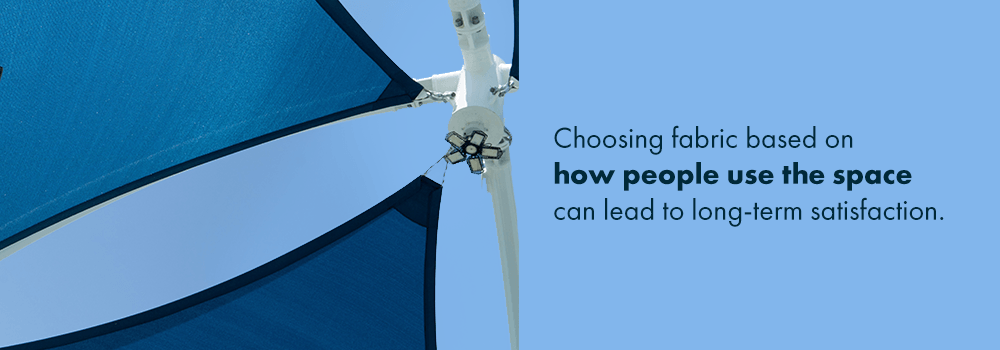
Not all spaces require the same fabric functionality. For example, aquatic centers may only require waterproof options for weather protection. On the other hand, mesh fabrics may improve airflow and comfort for playgrounds. In addition, corporate gathering spaces require balancing appearance and performance. Choosing fabric based on how people use the space can lead to long-term satisfaction.
5. Treating Design and Installation as Separate Processes
Commercial shade projects involve multiple stages that must flow seamlessly. Separating responsibilities can lead to gaps between intent and execution. Teams may interpret plans differently, and miscommunication can slow progress. Integrated planning eliminates these disruptions and allows projects to move more smoothly.
Synergy among the design, engineering and installation teams reduces misunderstandings, resulting in more predictable timelines and improved structural performance.
6. Improper Shade Sail Post Angle Installation
Incorrect post angles can create uneven tension. Sagging fabric, pooling water or increased stress on connection points may lead to faster wear.
Solving these problems during the design phase instead of waiting for installation prevents structural adjustments later. Essential factors to consider here include structure height, shade coverage, anchor depth and fabric tension direction.
Frequently Asked Questions
Get your pressing questions on shade sail structure installations answered.
How Long Does a Commercial Shade Sail Structure Typically Last?
The lifespan of a commercial shade structure depends on fabric type, environmental conditions and installation quality. Regular inspections and tension adjustments can also extend performance over time.
Do Shade Structures Require Permits Before Installation?
Most commercial shade structures require permits because they are permanent fixtures. Local municipalities often review engineering drawings, wind load calculations and foundation plans before approval.
How Much Maintenance Does a Shade Sail Structure Require?
Commercial shade structures typically require minimal routine maintenance, but it’s wise to conduct periodic inspections. Check fabric tension, inspect connection hardware and ensure posts remain aligned. Preventive maintenance lets you identify minor issues before they affect long-term performance.
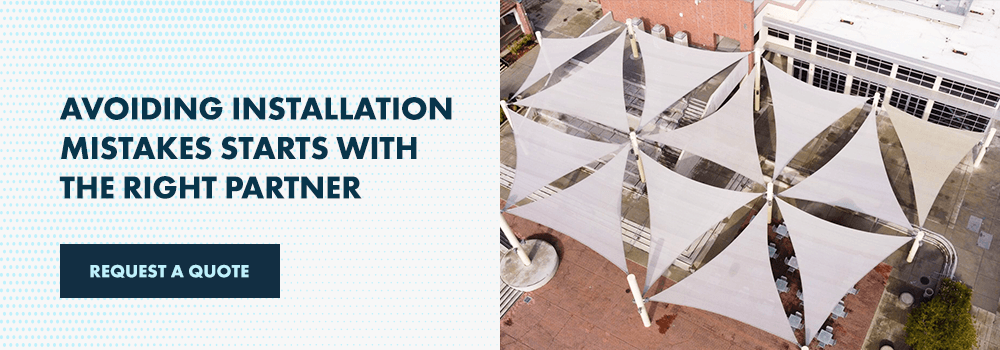
Avoiding Installation Mistakes Starts With the Right Partner
Installing commercial shade structures involves more than selecting a design. Engineering requirements, soil conditions, sun orientation, fabric performance and coordinated project management all influence the outcome. Projects that overlook these factors often require costly corrections and may not perform as expected.
Your business deserves a shade structure that enhances the space, supports long-term use and aligns with your vision. Working with USA SHADE means partnering with a team that carries your project from concept through construction.
With decades of experience in commercial fabric architecture, turnkey project coordination and custom shade solutions, USA SHADE helps your business turn ideas into lasting realities. Use our builder tool to customize your structure or request a quote today to start planning your project.