

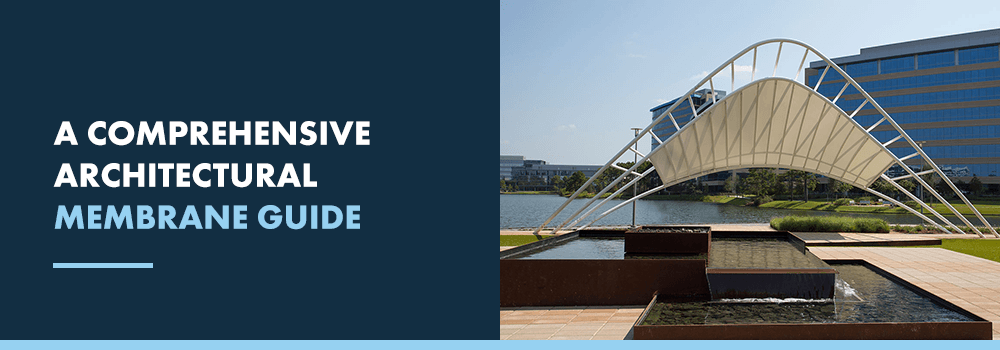
Every bold architectural vision begins with a critical material decision. Durability, cost, environmental performance and aesthetic impact all demand careful consideration.
Architectural membrane structures have grown in complexity and popularity over the past few decades. This evolution has transformed simple shade canopies into architectural statements that define skylines and create iconic spaces. As fabric architecture continues to push creative boundaries, the materials supporting these visions have advanced, offering unprecedented design freedom.
This architectural membrane guide will help architects and contractors increase their understanding of membrane structures. Having this knowledge enables businesses to compare materials and select the optimal solution for each project.
Comparing Architectural Membrane Materials
Three primary materials are the workhorses of modern fabric architecture.
1. Polytetrafluoroethylene-Coated Fiberglass
PTFE is a fluoropolymer coating applied to woven fiberglass fabric to make one of the most durable architectural membranes available. It has several notable characteristics.
- Extreme durability: PTFE resists degradation, even in harsh climates.
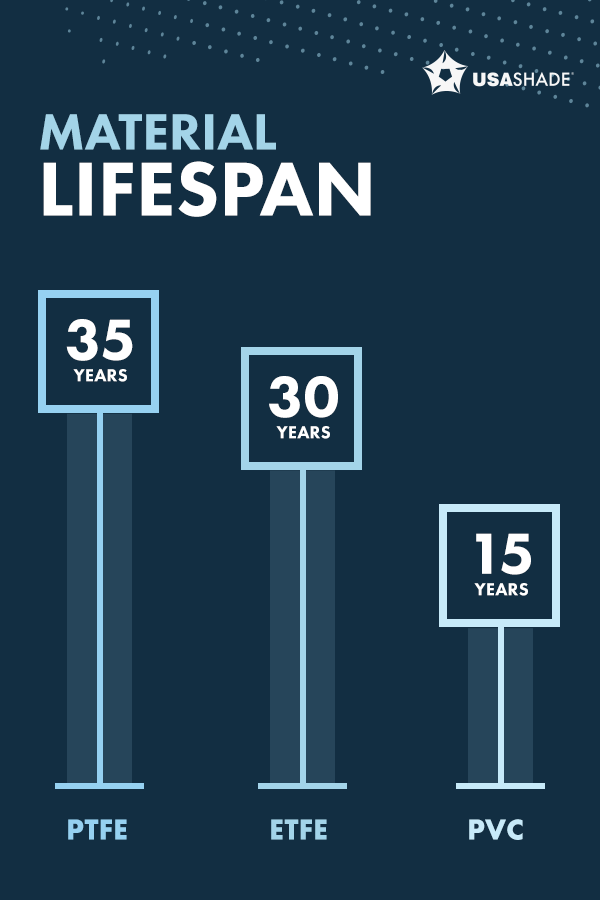
- Extended lifespan: PTFE often lasts more than 35 years with minimal maintenance requirements.
- UV resistance: Polytetrafluoroethylene provides excellent UV protection against ultraviolet radiation.
- Chemical stability: This material choice resists pollutants, salt spray and environmental contaminants.
- Self-cleaning properties: The smooth surface naturally sheds dirt and organic matter.
This premium architectural membrane is ideal for permanent, landmark structures where longevity justifies the potentially higher initial investment. Projects requiring multi-decade performance timelines benefit most from this material choice.
2. Polyvinyl Chloride-Coated Polyester
PVC is typically a more versatile and cost-effective option for architectural membrane applications. This flexible, durable material is available in a wide range of color options. A PVC-coated polyester material offers reliable performance across diverse project types.
- Lifespan consideration: This material typically lasts 15 years or longer, depending on the topcoat selection.
- Cost advantages: While material costs will depend on project specifics, PVC offers lasting value compared to PTFE.
- Recyclability: Recycling PVC can be complex and requires specialized facilities.
Different topcoats can enhance this material’s capabilities. Polyvinylidene fluoride topcoats improve cleanability and extend lifespan by protecting the base PVC layer from UV degradation and environmental soiling. This versatile fabric architecture material adapts well to projects with moderate budget constraints while still delivering professional-grade durability.
3. Ethylene Tetrafluoroethylene Foil
ETFE is a highly transparent, lightweight foil. Its material isn’t woven fabric, which fundamentally changes its structural applications and aesthetic possibilities. Its most notable features include the following.
- Exceptional light transmission: Studies show that EFTE foil allows up to 95% of natural light to pass through.
- Pneumatic cushion systems: This material consists of multiple pillow-like layers, which create insulated, self-supporting structures.
- Extended service life: Properly and professionally maintained EFTE foil installations can last 30 years or more.
- Minimal weight: This material is significantly lighter than traditional options like glass or glazing.
ETFE excels in modern architectural membrane applications. It’s a popular choice for projects where maximum natural light and futuristic aesthetics are priorities. The material’s translucency creates luminous interior environments while maintaining structural performance.
Material Performance Comparisons
While specific performance metrics will vary depending on project requirements and environmental conditions, understanding each material’s relative strengths guides informed decisions.
- Lifespan: PTFE generally offers the longest service life, followed by ETFE and then PVC with PVDF topcoat.
- Relative cost: PVC provides the most economical initial investment, while ETFE falls mid-to-upper range and PTFE typically commands premium pricing.
- Light transmission: ETFE delivers superior translucency, PTFE offers moderate diffused light and PVC provides excellent UV blockage.
- Fire resistance: PTFE and ETFE are nonflammable, while PVC formulations typically require fire-retardant treatments.
- Maintenance requirements: PTFE’s self-cleaning properties minimize upkeep, PVC with PVDF requires periodic cleaning and ETFE cushions need pressure monitoring.
While these performance characteristics guide initial material selection, other project factors, including design intent, site conditions and long-term facility management plans, may shift these priorities.
Design and Selection Considerations
Once you’ve learned about your material options, you can match those materials to specific project requirements.
Defining Architectural Project Goals
Think critically about each project’s unique requirements before finalizing material specifications. Balancing the initial cost of a material with its longer lifespan and lower maintenance needs often reveals unexpected value. In some cases, a higher initial investment translates to a more predictable long-term budget.
- Life-cycle cost analysis: Balance the initial material cost against a longer lifespan and lower maintenance needs.
- Budget predictability: A higher initial investment may lead to more stable long-term budget predictability in the following years.
- Replacement timing: Premium membranes that require minimal maintenance over a long period may deliver better value than budget options needing replacement sooner.
- Funding structure: Projects with secure long-term funding often benefit from premium materials, while installations with planned renovations may prioritize lower initial costs.
Material lifespan is a critical component of the total cost of ownership for fabric structures. By factoring durability into your decision, you can identify the shade structure fabric that will provide the most reliable, cost-effective performance over time.
Matching the Membrane to the Environment
Environmental loads influence how well structural material and architectural performance hold up throughout a membrane structure’s service life.
- Regional UV exposure: High-altitude and low-latitude locations can accelerate degradation without proper UV-resistant membranes.
- Wind and snow loads: Structural engineering must account for the project’s maximum expected loads.
- Proximity to saltwater: Coastal installations require superior resistance to salt spray and corrosive marine environments.
- Temperature extremes: Studies have shown that freeze-thaw cycles and prolonged exposure to high temperatures can affect material flexibility and stability.
Material performance and serviceability ensure the long-term safety and stability of membrane structures. Architects must collaborate with engineers to verify that membrane selection aligns with site-specific environmental data and building code requirements.
Achieving the Aesthetic Vision
Material choice extends far beyond cost and performance metrics. Creative vision remains one of the most effective calling cards for architects building distinguished portfolios to win contracts. Light quality, structural form and the available fabric colors all affect how a finished architectural project presents itself. ETFE’s translucency creates dramatically different interior lighting compared to the soft glow from PTFE or the vibrant color options of PVC membranes.
The strength of these membranes enables unique forms that are impossible with conventional building materials. Membranes affect light transmission in distinct ways, creating a canvas for architects to sculpt structure and illumination. The interplay between material properties and design intent defines the experiential quality of fabric architecture.
Applications and Trends in Fabric Architecture
Architectural membranes open a wide range of design possibilities. From intimate shade elements to expansive enclosures, these materials can accentuate an architect’s vision, creating standout projects that define spaces and inspire communities. Consider how these applications might elevate your next project.
Creating Signature Shade Structures
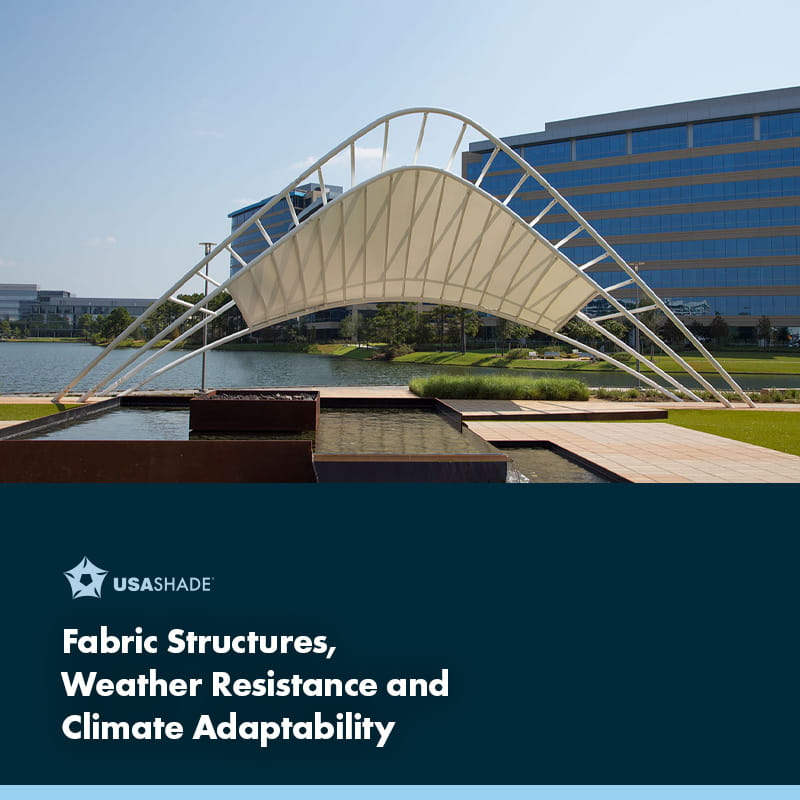
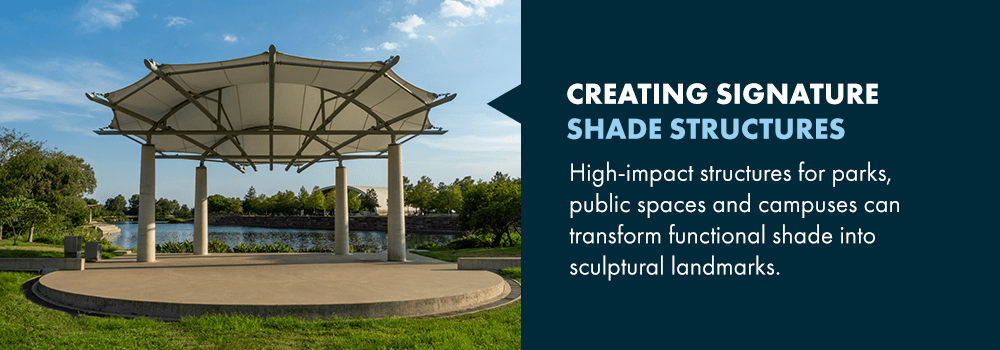
High-impact structures for parks, public spaces and campuses can transform functional shade into sculptural landmarks. The dynamic geometries of fabric sails catch light and cast dramatic shadows throughout the day.
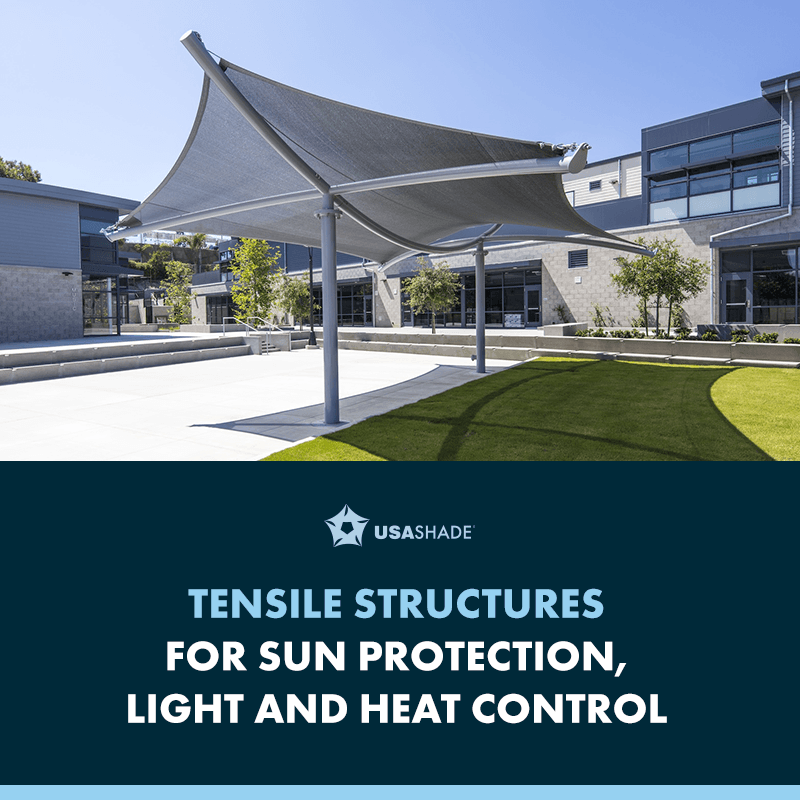
Outdoor canopies on institutional campuses provide gathering spaces that enhance campus life while protecting users from the sun. Versatile materials allow architects to develop site-specific solutions that respond to unique programmatic and aesthetic requirements.
Engineering Sweeping Roofs and Enclosures
Large-scale applications are a testament to the structural capabilities of membrane architecture. Membranes are lightweight enough to create spans that aren’t structurally possible with traditional materials.
These projects showcase how effectively fabric structures perform at the scale of civic and commercial buildings.
- Stadiums: Membrane roofs span massive distances while maintaining visual lightness.
- Event venues: Fabric structures create flexible, iconic spaces for event gatherings.
- Transportation terminals: Airport canopies and transit stations protect travelers while creating light-filled environments.
Designing Dynamic Canopies and Facades
Membranes are functional and aesthetic elements that increasingly appear on building exteriors. These installations highlight versatility beyond freestanding structures, addressing technical requirements while elevating design quality. Facades can be static or incorporate kinetic elements that respond to changing environmental conditions.
- Solar control: Membrane facades reduce solar gain and decrease cooling loads.
- Glare reduction: Diffused light maintains natural illumination without harsh direct sunlight.
- Visual transformation: Architectural membrane facades dramatically alter building appearance.
Sustainability and Innovation in Architectural Membranes
Sustainable design principles can influence material selection. This shift extends naturally to architectural membranes, where environmental responsibility intersects with performance requirements. Understanding how membrane materials contribute to environmentally responsible architectural practices helps architects meet both client sustainability goals and regulatory requirements.
How do Architectural Membranes Support Sustainable Design?
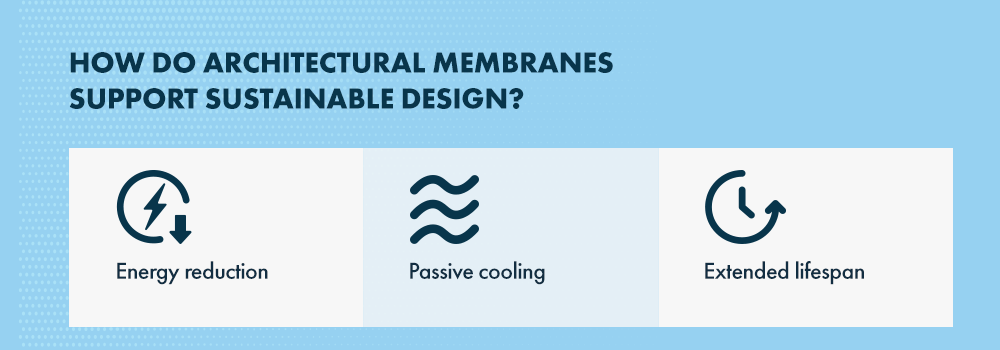
Architectural membranes contribute to sustainability through multiple pathways, offering an advantage over shorter-lived alternatives.
- Energy reduction: Natural light transmission reduces the need for artificial lighting and lowers electricity consumption.
- Passive cooling: Shade structures can reduce cooling requirements by blocking direct solar radiation.
- Extended lifespan: PTFE installations lasting 35-plus years avoid material consumption and waste from multiple replacement cycles.
Advances in Material Manufacturing
The future of fabric structures continues evolving as manufacturing technology advances. Emerging research points toward transformative changes in this field. Innovations in fabric architecture include enhanced material formulations, improved coating technologies and novel fabrication methods.
The future of architectural membrane manufacturing may expand design possibilities while improving production efficiency and material performance. Recent studies on using robotic 3D printing for membrane structures demonstrate potential for automated, precise fabrication of complex geometries.
Membrane Structure in Architecture FAQs
These frequently asked questions about membrane structure address concerns and and clarify the essential concepts behind modern tensile design.
What Is a Membrane Structure in Architecture?
A membrane structure is a thin, flexible construction that carries loads through a fabric or foil surface by tension rather than compression. Air pressure, masts or cables support the structure and maintain the membrane’s tension.
How Do Architectural Membranes Function Within Shade Structures?
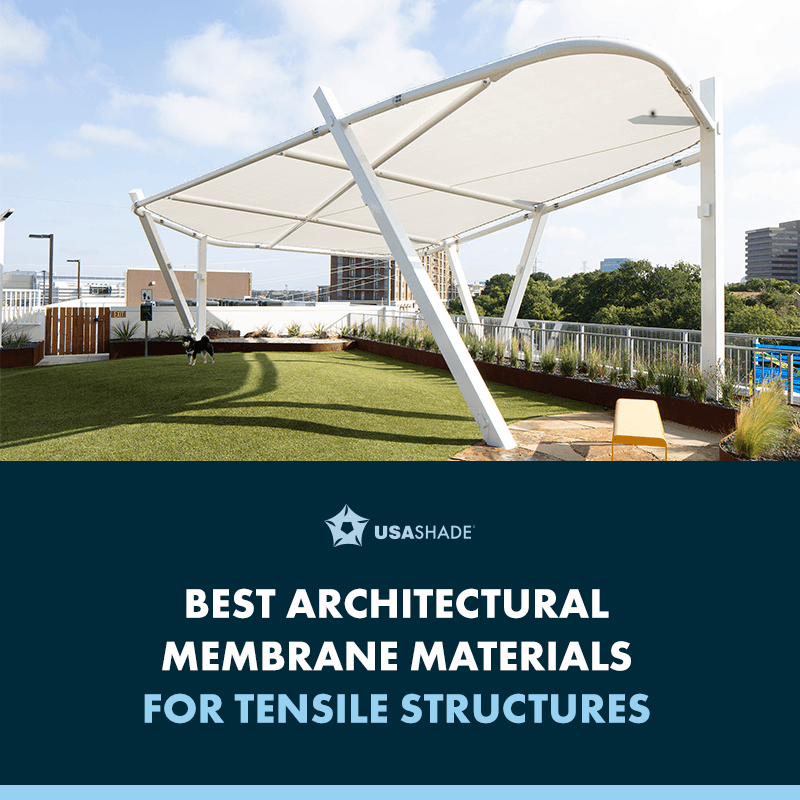
The membrane is the shade structure’s “skin,” providing UV protection and weather resistance while defining shape and aesthetics. USA SHADE offers custom shade solutions that demonstrate how membranes adapt to diverse functional and aesthetic requirements.
Are Architectural Membranes Customizable?
Yes. Their inherent flexibility allows for dramatic, unique geometric forms that are impossible with rigid materials. These fabrics conform to complex surfaces, enabling organic shapes, sweeping curves and dynamic geometries that meet aesthetic goals and structural requirements.
How Do Architectural Membranes Reduce Glare?
Architectural membranes diffuse light rather than transmitting it directly. The fabric scatters incoming sunlight, distributing it evenly to provide pleasant, usable daylight without harsh glare. The degree of diffusion varies by material type and weave density.
What Are the Benefits of Using Architectural Membranes for Outdoor Canopies?
Outdoor canopies with architectural membranes offer lightweight construction, allowing long spans with minimal supports, excellent durability and weather resistance and distinctive aesthetics. Modern options for waterproof structures can sometimes protect against rain and sun, expanding functional possibilities.
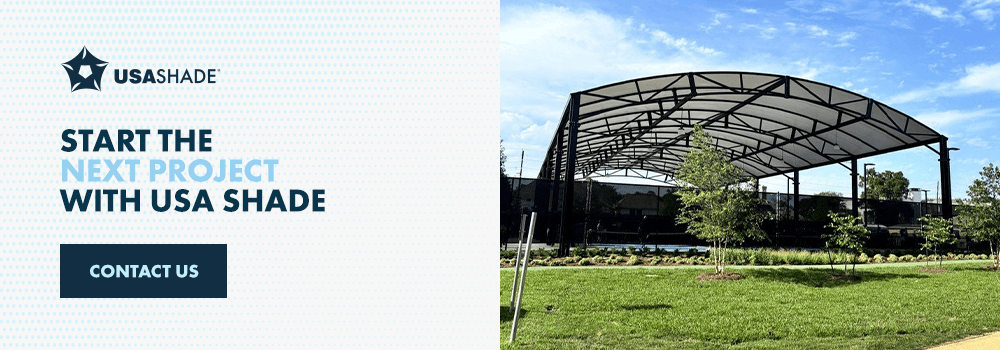
Start the Next Project With USA SHADE
Choosing architectural membrane structure material is a complex yet crucial design decision. It affects the immediate success and the long-term performance of a business’s projects. For over 25 years, USA SHADE has been the proven leader in fabric structure design and technology, offering comprehensive resources that lead to successful projects and lasting partnerships.
Our architectural studio division specializes in collaborating with architects and landscape architects to transform creative visions into built reality. With experts spanning design development, engineering, manufacturing, project management and construction, USA SHADE delivers customized, end-to-end support for architectural membrane projects of any scale.
Ready to discuss an architectural membrane project? Please contact our team to partner with the leaders in fabric architecture.