

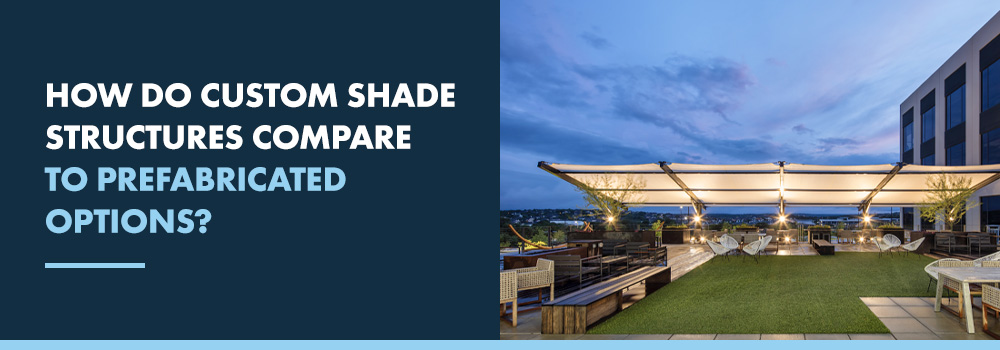
Planning a shade structure project often means balancing several competing priorities at once. Your business may be working within a set budget, trying to meet a construction timeline, coordinating with experts or thinking about how the finished space will look and function for years to come. At the same time, there is a practical decision to make about the type of structure that best suits the project.
This is where many organizations pause and start weighing their options. Some projects call for a faster, standardized solution that can be installed efficiently. Others require something designed specifically for the site, the surrounding architecture or the experience the space is meant to create.
Below, we’ll explore how custom shade structures compare to prefabricated options and help your business determine which solution aligns with the goals of your project.
Understanding Shade Structures
Shade structures play an essential role in commercial environments where people gather regularly. Parks, schools, aquatic centers, corporate campuses and transit areas all rely on shade structures to extend usability, improve comfort and enhance the visual identity of a space.
From a project-planning perspective, shade structures typically fall into prefabricated and custom categories. Understanding how these differ helps your business align the structure with project goals, timelines and design expectations.
What Are Prefabricated Shade Structures?
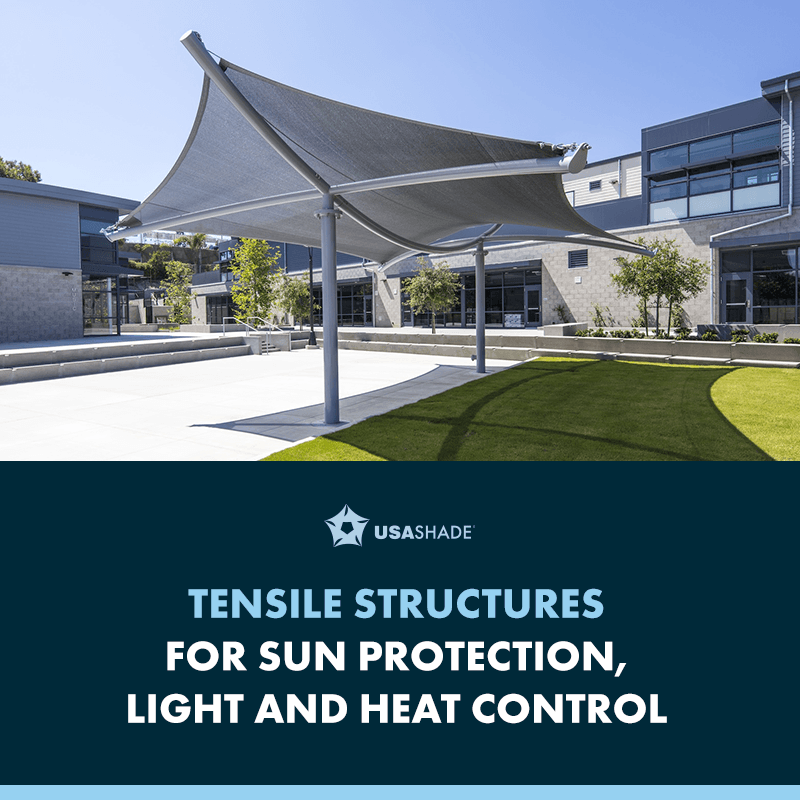
Prefabricated shade structures, sometimes called prefab shade structures, are pre-engineered systems designed for efficiency and repeatability. These structures adhere to standardized dimensions and engineering specifications, helping streamline production and installation.
These solutions still use commercial-grade materials such as steel and architectural fabric, but the design process is simplified. This approach is beneficial when your project requires reliable shade coverage without extensive customization. Prefabricated shade structures are often ideal for projects with straightforward functional requirements.
Examples of solutions that may be ideal for this route include:
- Playground shade structures.
- Bus stop coverage.
- Parking lot coverage.
- Standard recreation areas.
- Tennis court seating areas.
These environments typically benefit from proven designs that can be installed efficiently.
Benefits of Prefabricated Shade Structures
When timelines and budgets are essential considerations, prefabricated solutions often provide practical advantages. Some key benefits of prefabricated shade structures include:
- Faster production timelines: Pre-engineered designs reduce design and engineering phases, allowing manufacturing to begin sooner.
- Predictable project planning: Standardized specifications help simplify permitting, budgeting and installation scheduling.
- Cost efficiency: Savings typically come from reduced engineering and design work.
For example, a school district installing shade over multiple playgrounds may benefit from a consistent prefabricated design that can be replicated across campuses.
Considerations for Prefabricated Shade Structures
Prefabricated shade structures may not suit every project. Consider some of the following limitations:
- Limited design flexibility:Standard dimensions and shapes may not align with unique architectural goals.
- Site constraints: Irregular layouts, sloped terrain or unusual wind requirements may require more specialized engineering.
- Branding limitations: Your business may want a structure that visually aligns with a campus, park or corporate identity.
What Are Custom Shade Structures?
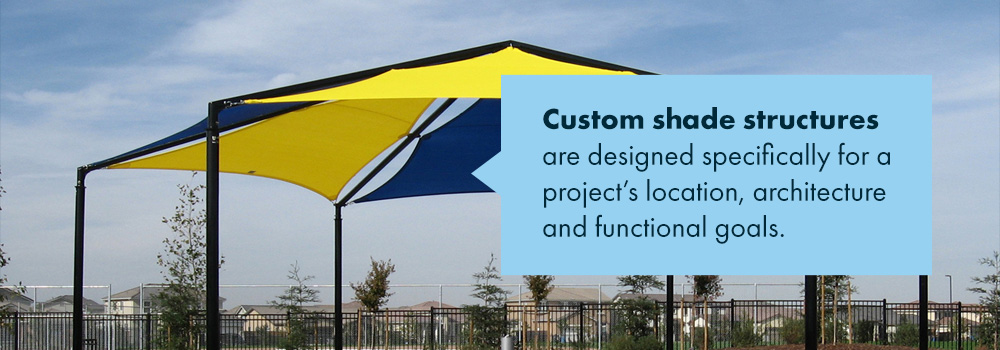
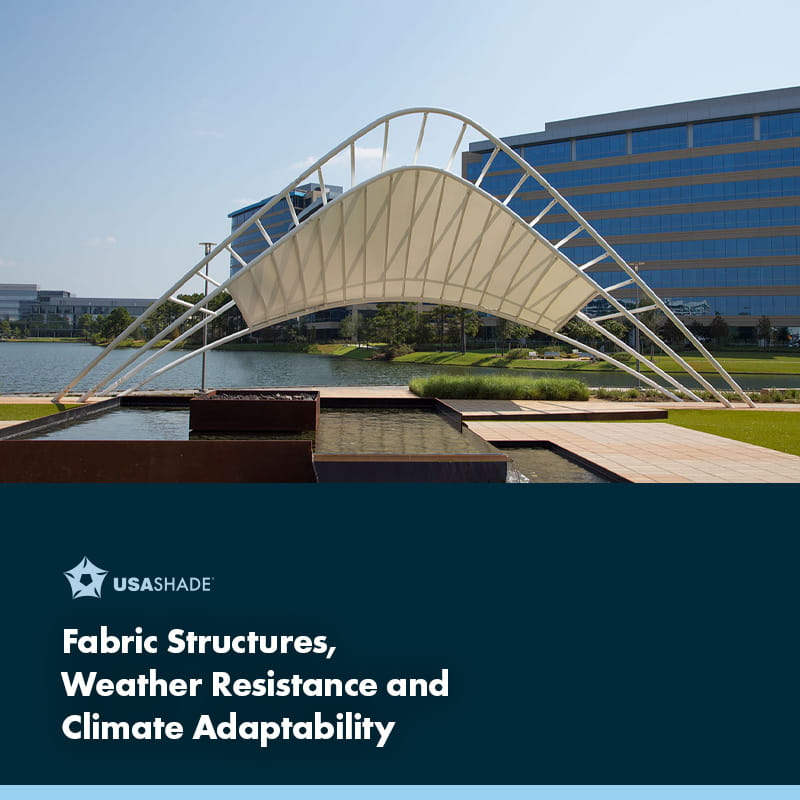
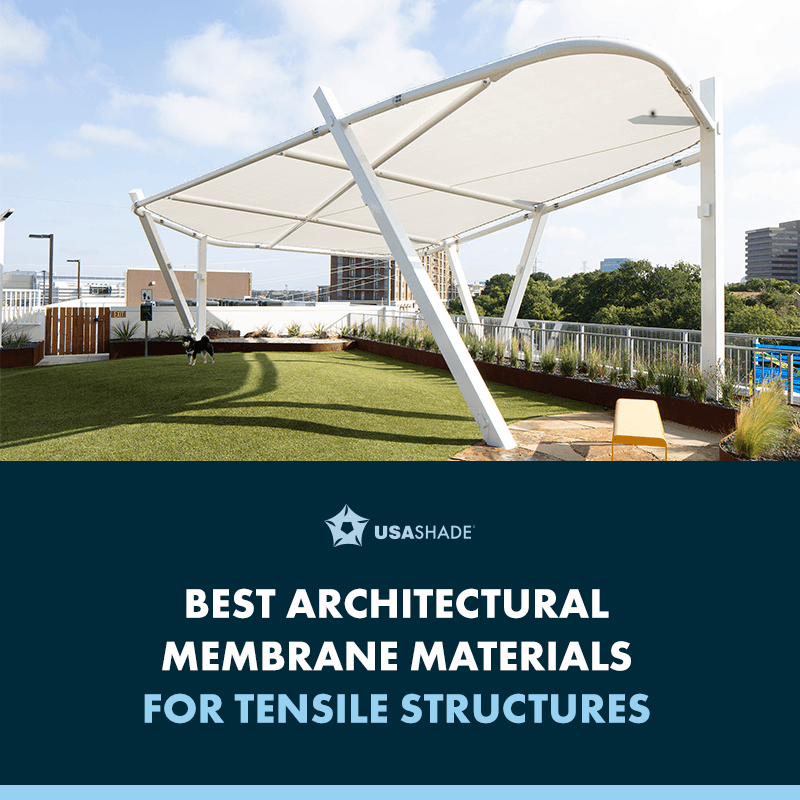
Custom shade structures are designed specifically for a project’s location, architecture and functional goals. This means that instead of starting from a standard template, the structure is developed through a coordinated design and engineering process.
This process may involve collaboration with designers, landscape professionals and project managers to create a structure that fits both the space and the vision. Custom solutions allow your business to transform gathering spaces into architectural features rather than simply adding coverage.
Benefits of Custom Shade Structures
Custom shade structures allow greater flexibility when projects require more than standard coverage.
For example, a corporate campus may want shade structures installed that align with brand colors and integrate with outdoor seating areas. On the other hand, a municipal amphitheater may require coverage that follows the curve of seating areas without obstructing sightlines.
Going the custom route can help ensure that each party gets what they need from the project. Key benefits of custom solutions include:
- Design flexibility: Structures can be shaped, sized and configured to match the surrounding environment.
- Architectural integration: Shade structures can complement buildings, landscapes and branding.
- Site-specific engineering: Custom designs can address unusual grades, wind conditions or spatial constraints.
Considerations for Custom Shade Structures
Custom shade structures provide flexibility, but they often involve additional planning. Possible considerations for custom solutions may include:
- Longer design timelines: Custom engineering and approvals may take more time.
- Higher up-front investment: Design and engineering phases can add to initial costs.
- More coordination: Custom projects may involve multiple stakeholders.
For many projects, these trade-offs are worth it when the structure becomes a defining feature of the space.
When to Select Custom vs. Prefabricated Shade Structures
Selecting between custom and prefabricated shade structures often comes down to project priorities. A few key considerations can help guide the decision.
1. Project Timeline
Projects with strict deadlines may benefit from prefabricated solutions. For example, when installation is required before a school term, seasonal reopening or facility launch, a pre-engineered system can help maintain momentum. On the other hand, custom projects typically require more time for design collaboration and approvals.
2. Site Conditions
Site conditions often determine whether customization is necessary.
Examples include:
- Sloped parks.
- Irregular public plazas.
- Amphitheaters.
- Aquatic centers with unusual layouts.
When the site is straightforward and flat, prefabricated options often work well. When conditions are complex, custom engineering becomes more valuable.
3. Design and Branding Goals
Some projects require shade structures to function as architectural features rather than purely functional installations.
Examples include:
- Corporate campuses.
- Signature park entrances.
- Civic gathering spaces.
- College courtyards.
In these cases, custom shade structures can support both usability and visual identity.
4. Long-Term Value
While prefabricated structures often reduce up-front costs, custom shade structures can provide long-term value by improving usability, aesthetics and project distinction. In addition, your business can consider how the structure contributes to the overall experience of the space over time.
Frequently Asked Questions About Shade Structures
Get your pressing questions on shade structures answered.
1. Do Shade Structures Require Permits for Installation?
Most commercial shade structure installations require permits, especially for schools, municipal projects and corporate properties. Requirements vary by city, state and project size, and may include structural engineering documentation. Working with an experienced provider helps your business navigate permitting requirements more efficiently.
2. Can Shade Structures Increase the Usability of Outdoor Spaces Year-Round?
Shade structures can help outdoor spaces remain usable during hotter months by reducing direct sun exposure and surface temperatures. This allows parks, playgrounds, campuses and gathering areas to stay comfortable for more extended periods throughout the day. Many organizations find this can help extend programming, events and general use of outdoor environments.
3. How Long Do Commercial Shade Structures Typically Last?
Commercial fabric shade structures are designed for long-term performance when properly maintained. Steel components are long-lasting, while fabric life span varies depending on climate, usage and maintenance practices. Regular inspections and proper tensioning help extend the structure’s overall life span.
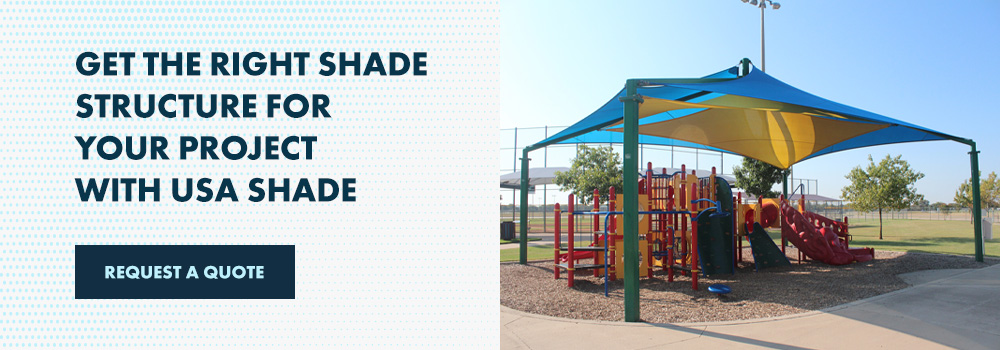
Get the Right Shade Structure for Your Project With USA SHADE
Some projects benefit from the efficiency and predictability of prefabricated systems, while others require the flexibility and creativity of custom shade structures. An important step is working with a partner who understands both approaches and can help your business evaluate what makes sense for your project.
USA SHADE helps schools, municipalities, architects and businesses bring shade projects to life through both custom design solutions and pre-engineered options. With a collaborative process that supports projects from concept through installation, USA SHADE helps your business create spaces that are functional, visually compelling and built to last.
Request a quote today and start planning your next shade project with a team focused on quality, partnership and long-term results.