

Choosing a shade structure for a park means balancing site-specific conditions, material performance, budget realities, regulatory compliance and long-term maintenance — all while creating an effective, welcoming community space.
This guide provides a breakdown of the seven most influential variables, helping your project team make confident, informed decisions.
1. Define the Purpose and Site Needs
First, determine who will use your park. A structure covering a playground serves different needs than one shading a picnic pavilion or splash pad. The intended use dictates size, height, coverage area and material selection.
Beyond function, site-specific conditions are critical. The sun’s path throughout the day reveals which areas need the most shade. Note the locations of buildings and mature trees — your structure should complement, rather than duplicate, what nature already provides. You should also analyze how prevailing wind patterns could affect structural design and fabric performance.
Choosing a park shade structure and other thoughtfully designed amenities can increase park usage and community well-being. When families know children can play comfortably during peak sun hours or picnic areas remain usable in summer heat, your park becomes a destination rather than an afterthought.
Explore parks and recreation shade projects to see how strategic placement transforms park functionality.
2. Evaluate Material Durability and Performance
Material selection determines how well your shade structure performs over time. Understanding the differences between fabric types helps your project team make informed decisions.
- UV protection ratings: High-quality shade fabric can block up to 97% of harmful ultraviolet rays, providing significant protection for park visitors. The science behind UV blocking shows how engineered fabrics create safer outdoor environments for children and families.
- All-weather performance: Not all shade structures handle rain equally well. Waterproof shade structures extend usability during unexpected weather, keeping playgrounds and gathering areas functional year-round.
- Temperature reduction: Quality shade structures can reduce ambient temperatures, making park spaces comfortable during peak summer months.
Durability directly impacts long-term value. Fabrics engineered for outdoor exposure resist fading, tearing and degradation from environmental stressors. According to the Centers for Disease Control and Prevention, shade can reduce the risk of sun damage and skin cancer, making material performance a public health consideration as much as an aesthetic one.
3. Consider Aesthetics and Integration
Parks are community assets that encourage children and families to gather outdoors. Your shade structure’s design contributes to this mission by inviting use while adding character.
Understanding commercial park shade options narrows your choices.
- For parks with unique design requirements, custom shade solutions allow your project team to create signature elements that reinforce community identity.
- Dynamic shade sail structures offer sculptural forms that work beautifully over playgrounds and open gathering areas.
- Cantilevered designs provide unobstructed space underneath — ideal for sports courts or picnic areas where central posts would interfere with activities.
Color selection matters more than you might realize. Available color options can blend into natural surroundings or make bold architectural statements, with lighter tones reflecting more heat and deeper shades complementing landscape palettes. Coverage area and mounting height require careful planning — structures that are too low feel confining, while those that are too high will lose functional shade coverage.
Many park shade design projects benefit from the option to collaborate with design experts who understand aesthetic goals and technical requirements.
4. Determine Your Budget and Understand the Full Cost
Budgeting for a park shade structure requires looking beyond the initial price tag. A detailed buyer’s guide will cover the financial factors to prioritize when selecting shade structures for public spaces.
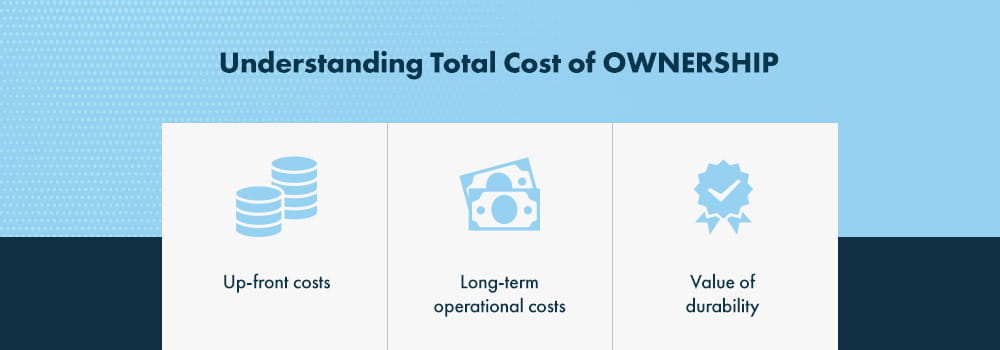
Total cost of ownership provides a more accurate picture of your investment.
- Up-front costs: Site preparation, foundation work and installation labor add to the structure’s base price. Complex sites with poor soil conditions or limited access may require additional groundwork.
- Long-term operational costs: Maintenance requirements, expected life span and potential replacement timelines all factor into the true cost. Cheaper materials often demand more frequent repairs or earlier replacement.
- Value of durability: Investing in high-quality materials and construction typically pays dividends through reduced maintenance needs and extended service life. A comprehensive long-term warranty signals manufacturer confidence in product durability.
5. Resolve Permitting Regulations and Safety Challenges
Since building codes and zoning regulations vary by location, it pays to do your homework. Park projects must comply with local requirements for structural loads, height restrictions and setback distances. Public spaces typically face stricter standards than private installations, particularly around accessibility.
Americans with Disabilities Act accessible design standards ensure parks serve all community members. Shade structures can seamlessly integrate into accessible pathways, playground equipment and seating areas. Understanding general design considerations related to codes and standards helps your team avoid costly redesigns during the permitting phase.
6. Plan for Installation and Ongoing Management
Professional installation is critical for structural integrity and longevity. Shade structures experience wind loads and weather stresses — proper anchoring and tensioning require specialized expertise that general contractors may lack.
Effective shade structure management involves seasonal considerations and proactive maintenance planning. Check parts lead times in advance so your team can handle wear and tear without running into supply-related delays. A maintenance schedule established from Day 1 protects your investment and keeps park amenities functional for visitors.
7. Think About Flexibility and Future Adaptability
Successful parks evolve in response to changing community needs. An evergreen park shade design tip is that factoring future adaptability into the initial design and selection process can save money.
Permanent versus modular systems offer different advantages. Fixed structures provide maximum durability but limited flexibility, while modular designs allow you to reconfigure as your park develops new programming or usage patterns.
Expansion potential also matters. Can your business add coverage without replacing existing structures? Planning for phased implementation lets budget-conscious projects grow over time. Balancing immediate needs with future possibilities helps your project deliver value for decades, not just years.
Partner With USA SHADE to Bring Your Park Vision to Life
When a project demands expertise in shade architecture, USA SHADE delivers complete solutions from initial concept through installation. With over 25 years of proven leadership in fabric structure design and technology, we offer vertically integrated capabilities under one roof — including in-house design development, engineering, manufacturing, project management and construction expertise.
Drawing on our expert knowledge of the factors to consider when choosing a shade structure for a park, our team is ready to help you apply that knowledge to your specific project. Contact USA SHADE to discuss your vision.