

During the sweltering summer months, people of all ages want to cool down and have fun. Pools are a great option, but not every business has the resources or desire to install and maintain one. This is why splash pads have become so popular in recent years. They provide an interactive and accessible form of play for all. They’re more sustainable, too!
Designing a fun splash pad is not a simple matter, though. There are many design considerations for splash pads that businesses have to think about before they break ground.
How to Prepare for a Splash Pad
Splash pads can include many different features, from ground sprays to dumping buckets. Before designing your business’s new installation, start by assessing the:
- Splash pad’s overall objective: Is the splash pad meant to increase foot traffic in a retail space or offer inclusive play in a public park? Does it serve some other purpose? The answer will shape the splash pad’s layout and look.
- Target demographic: The splash pad’s design will differ based on who it’s trying to appeal to. Gentle, ground-level bubblers are best for toddlers, while an all-ages splash pad might include more interactive features, like dumping buckets and spray cannons.
- Installation site: Before building, it’s important to make sure the site can handle a splash pad. Many builders start by performing geotechnical surveys to evaluate soil stability. They then map utility access, analyze grading and study sun exposure patterns. Take steps to prevent standing water from accumulating. The land needs to be graded to promote drainage and support adequate flow rates for the splash pad.
- Overall project budget: Your business’s splash pad budget will likely need to cover more than parts and assembly. Other costs include professional design, site preparation, installation and safety surfacing. Don’t forget recurring expenses like daily water quality checks, ongoing water and electricity use and preventive maintenance on pumps and water features.
5 Considerations When Designing a Splash Pad
The following tips can help elevate your business’s splash pad:
1. Optimizing the Layout
A well-planned layout is the foundation of all successful splash pads. Consider incorporating the following:
- Nonslip, impact-absorbent surfacing: Rubber surfaces can reduce the chance of slips and offer some cushioning for those who may fall. Many splash pads use poured-in-place rubber, as it is seamless and highly customizable. Modular rubber tiles are also popular since they’re easy to replace when damaged.
- Strategically placed seating: Guardians need a comfortable place to relax while their children play. Durable, all-weather benches with an unobstructed view of the splash pad are a great way to accommodate families.
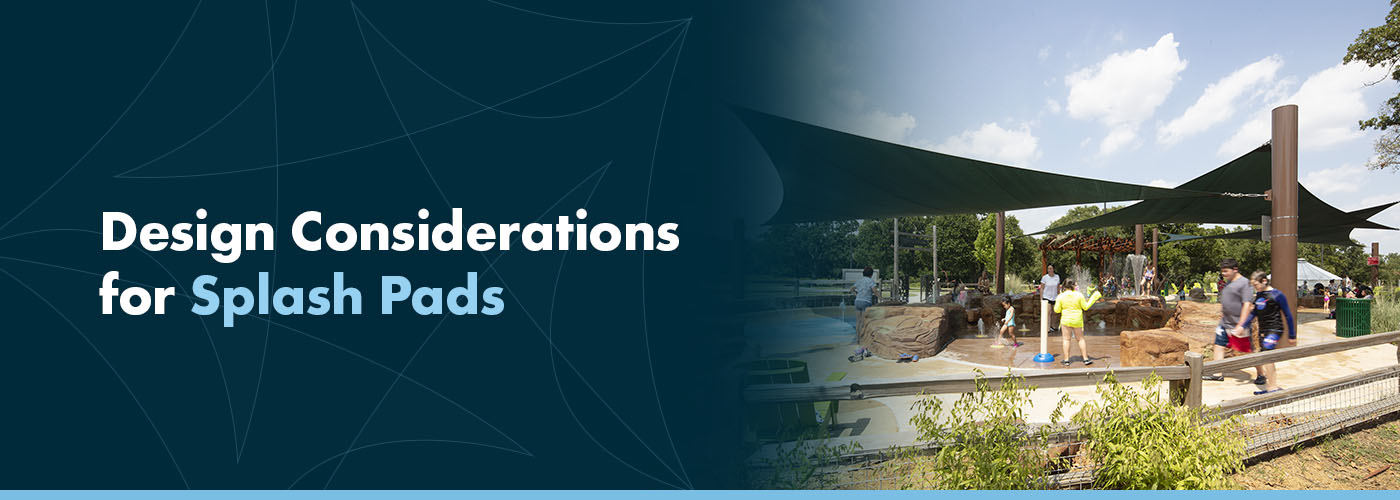
- Shade structures: Splash pads are most popular in the hotter months, but water isn’t enough to keep everyone cool. Shade is also necessary to keep play surfaces and children from becoming too hot. Shade structures are available in many shapes and sizes to enhance the area’s visual appeal.
- Designated zones: Your business’s splash pad can tell a story through designated zones for different age groups. This creates a natural flow in traffic. Each zone can also have its own sequence or programmed pattern that the water features follow. This builds excitement for geysers and other timed features.
If your business plans to install multiple water features in the same area, allow enough space between each to reduce the risk of congestion or accidents.
2. Choosing the Right Water Features
Splash pads typically have one of two primary water management systems. A flow-through system is simpler to install but has continuous water costs. A recirculating one is a higher up-front investment but can be more sustainable and cost-effective in the long run. Remember that the cleanliness of the water itself is just as important as the amount. This is especially true for splash pads that use recirculating water systems. The water needs to be treated to remove particulates and neutralize pathogens.
More water features mean more fun. Static features, like ground geysers and spray arches, allow users to relax or just enjoy the view. Dynamic features, like dumping buckets and water cannons, allow for more active play. Having both makes your business’s splash pad appealing regardless of preference.
3. Incorporating Visual Elements
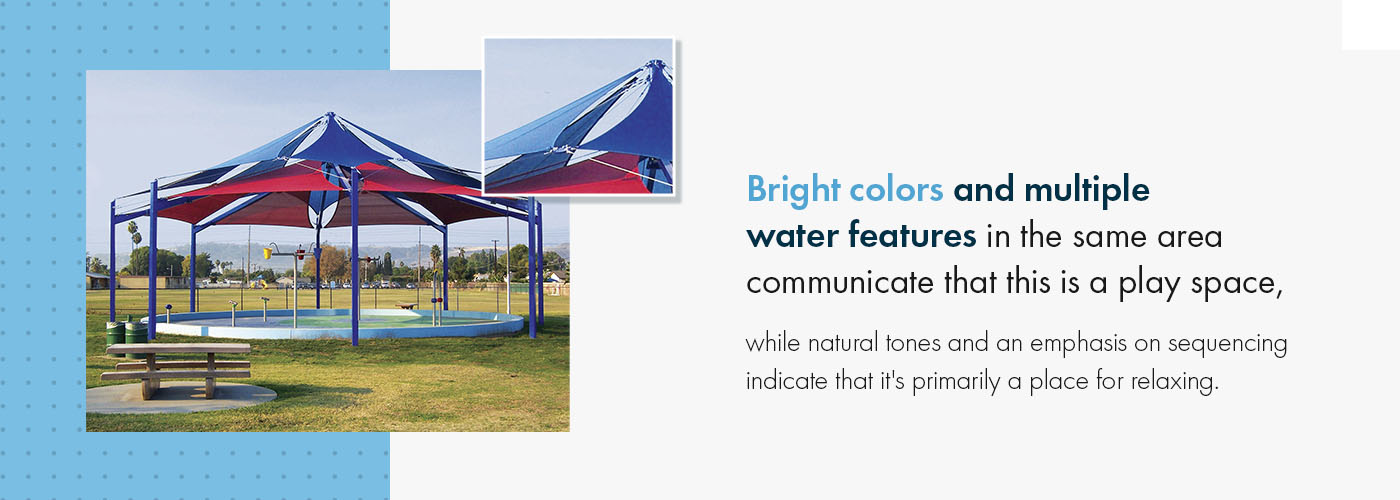
Carefully choose colors and additional design elements to send a message. Bright colors and multiple water features in the same area communicate that this is a play space, while natural tones and an emphasis on sequencing indicate that it’s primarily a place for relaxing. Design colors can also connect the splash pad to your business’s brand. A cohesive theme can elevate a splash pad’s appeal. A nature theme might have flower-shaped water features, while an industrial theme could incorporate pipes, valves and gear-shaped elements.
While creating the layout, mark areas where signage will be needed to display safety guidelines and direct foot traffic around the area.
4. Minimizing Environmental Impact
Prioritizing sustainability when designing the splash pad will help reduce environmental impact, keep operational costs low and connect with eco-conscious users. Features like timers and push-button activators can conserve water, decreasing expenses and runoff. Many businesses use energy-efficient pumps to reduce waste and energy costs.
Planters and native grasses can also inform the splash pad’s look. For example, the design could incorporate the colors of the surrounding environment in a swirling central rainbow or use a retaining wall as a natural buffer to guide users around the installation.
5. Maintaining Compliance and Inclusivity
Before beginning splash pad construction, your business needs to consider the relevant legal regulations. The simplest way to do this is by consulting with experienced professionals and opting for regular consultations throughout the design process. Typical regulations include:
- Local and national health department codes for water quality
- Municipal building codes for structures and foundations
- National electrical codes for the bonding and grounding of all metallic components
All businesses that are open to the public must also meet certain accessibility standards. Take these standards to the next level by creating splash pads for all. A quieter, less stimulating zone can make those with sensory needs feel more comfortable, for instance. Interactive features can also be placed at heights that are accessible when seated.
Find Splash Pad Shade Structures With USA SHADE
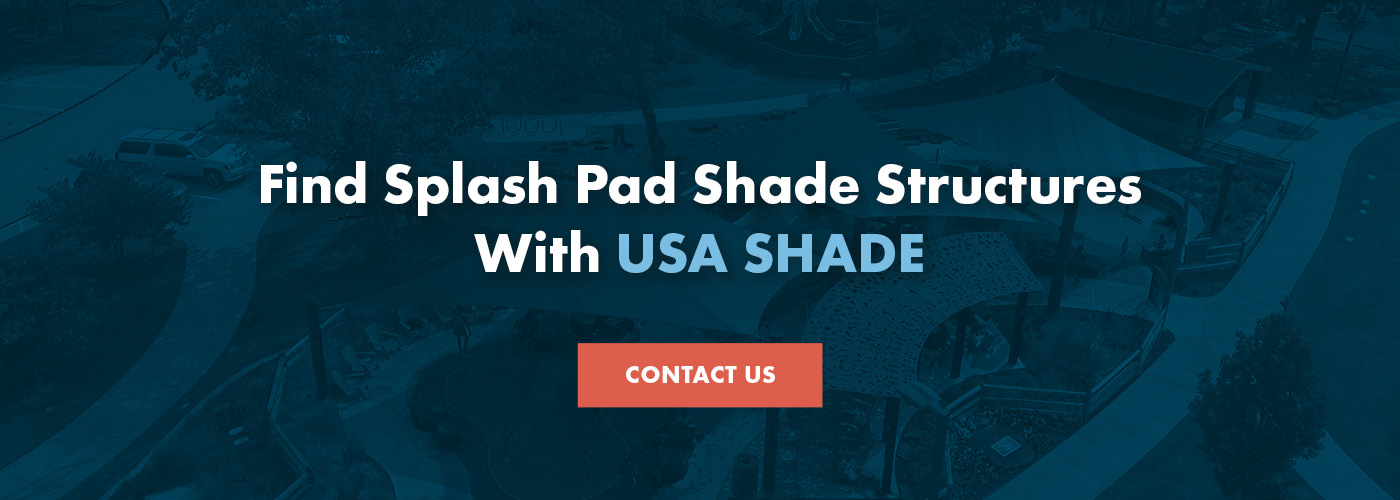
All splash pads can benefit from having ample shaded areas to keep children and adults comfortable and promote longer-lasting use. USA SHADE has been designing and building custom shade structures for over 30 years now. In that time, we have created beautiful, one-of-a-kind shade structures for water parks and many other facilities. We’re even the official partner of USA Pickleball!
To learn more, request a quote today.
Linked Sources
- https://www.usa-shade.com/blog/11-mistakes-to-avoid-when-designing-an-outdoor-space/
- https://www.ada.gov/topics/title-iii/
- https://www.usa-shade.com/products/
- https://www.cdc.gov/healthy-swimming/toolkit/operating-public-pools-hot-tubs-and-splash-pads.html
- https://www.nfpa.org/education-and-research/electrical/the-basics-of-grounding-and-bonding
- https://www.usa-shade.com/projects/
- https://www.usa-shade.com/blog/usa-shade-named-official-partner-of-usa-pickleball/
- https://www.usa-shade.com/request-a-quote/